8 Steps to Prepare for a Professional Trellis Install
The smell of damp earth after a deep tilling indicates a healthy microbial population, while the firm turgor of a healthy leaf suggests a plant ready for structural support. Learning how to prepare a garden for a trellis requires more than just aesthetics; it demands a rigorous assessment of soil physics and plant physiology. A professional trellis installation creates a permanent vertical load on your site. Without proper site preparation, the weight of a mature vine can lead to soil compaction or structural failure. You must optimize the rhizosphere before the first post is driven into the ground to ensure long term success.
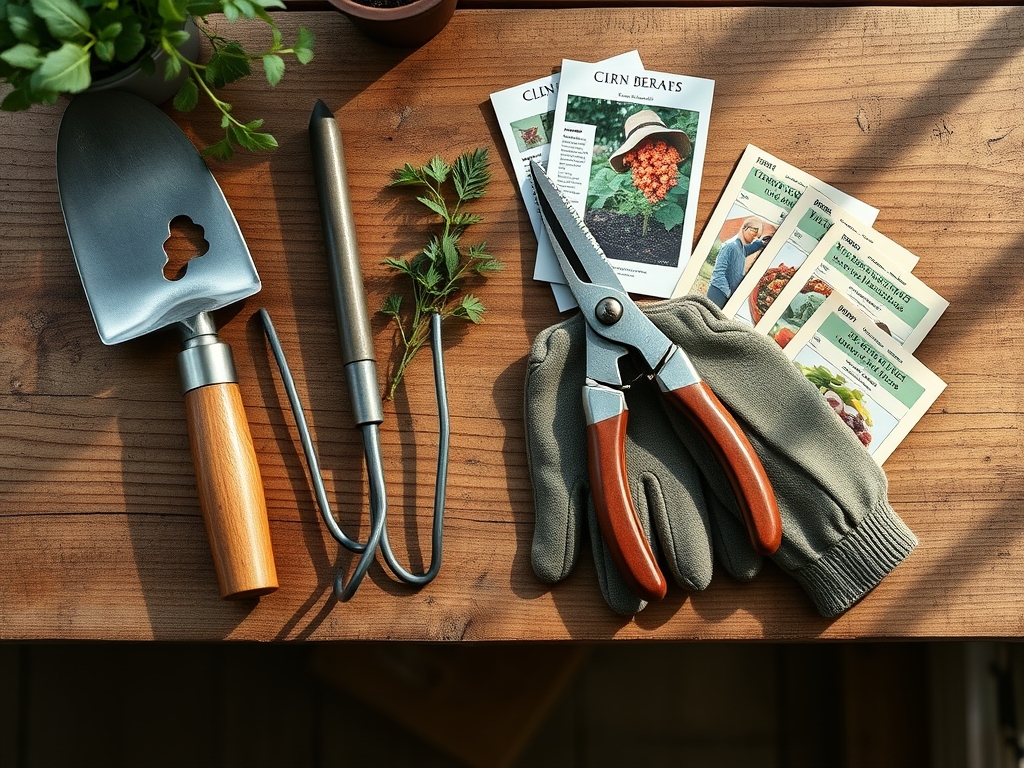
Materials:
The foundation of a vertical garden is the substrate. You require a **friable loam** with a granular structure that allows for rapid gas exchange. Ideal soil for a heavy trellis load should have a **Cation Exchange Capacity (CEC) between 15 and 25 meq/100g** to ensure nutrient retention.
Before installation, adjust your soil pH to a range of 6.2 to 6.8 for optimal nutrient bioavailability. For heavy feeders like Wisteria or indeterminate tomatoes, incorporate a pre-planting fertilizer with a specific NPK ratio of 5-10-10. The higher phosphorus and potassium levels encourage robust root development and lignification of stems rather than excessive, weak foliage. Ensure your organic matter content sits at a minimum of 5 percent to support the hydraulic conductivity needed for vertical climbing plants.
Timing:
Timing is governed by your USDA Hardiness Zone and the specific photoperiod requirements of your cultivars. In Zones 5 through 7, site preparation must occur at least three weeks before the last spring frost. This window allows the soil to settle after amendment and prevents air pockets around the trellis footings.
The biological clock of the plant dictates that the trellis must be in place before the plant transitions from the juvenile vegetative stage to the reproductive stage. For most vining species, this occurs when the plant reaches 6 to 10 inches in height. Installing the structure after this point risks damaging the delicate root hairs or disrupting the auxin distribution at the apical meristem, which can stunt vertical growth for the remainder of the season.
Phases:

Sowing and Site Clearing
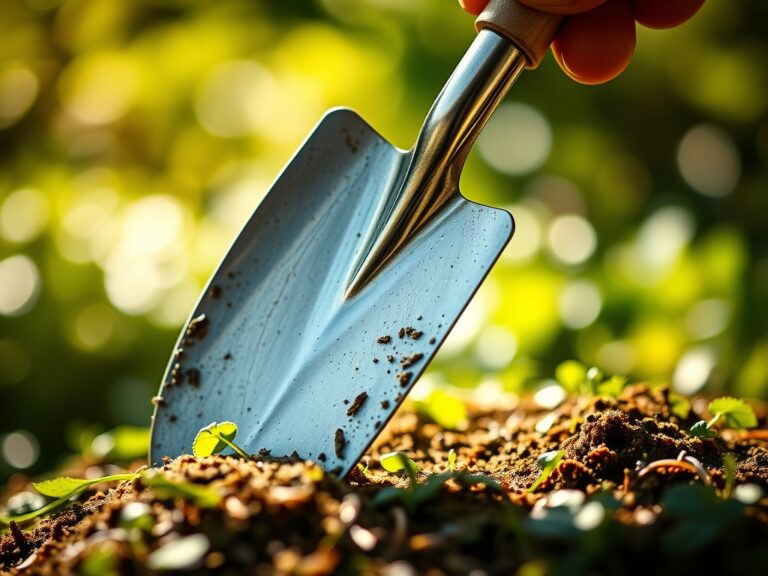
Clear all competitive vegetation within a 24 inch radius of each trellis post location. This reduces competition for nitrogen and water in the upper 6 inches of the soil profile. When sowing seeds at the base, plant at a depth exactly three times the width of the seed.
Pro-Tip: Maintain a clear radius to encourage mycorrhizal symbiosis. Reducing root competition allows beneficial fungi to colonize the host plant faster, increasing the surface area for phosphorus uptake by up to 10 times.
Transplanting
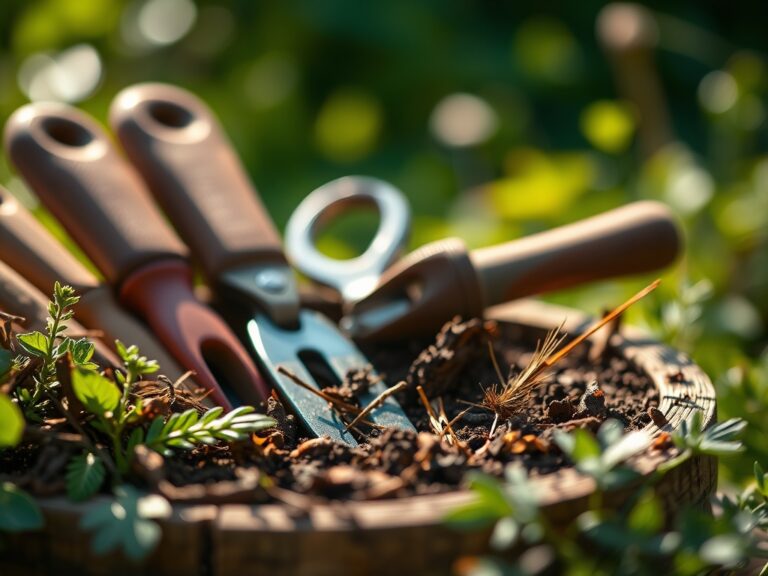
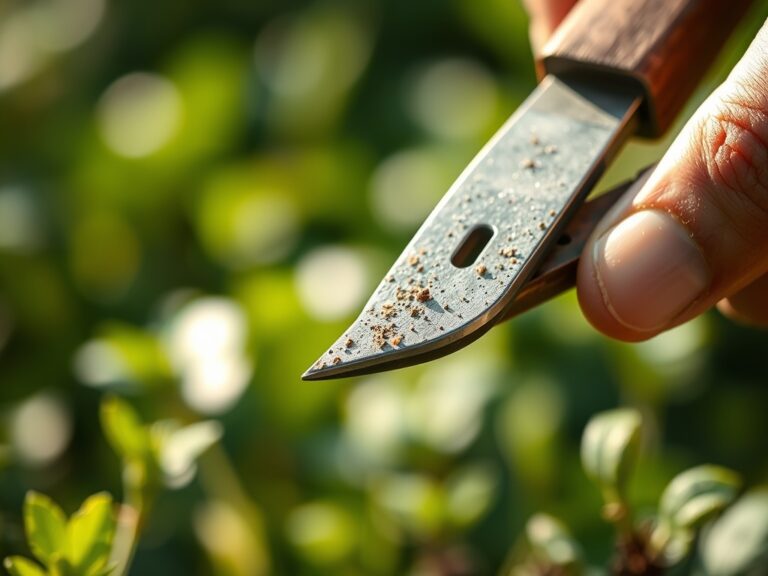
When moving starts to the trellis base, ensure the root ball is saturated to maintain turgor pressure. Dig a hole twice as wide as the root mass but no deeper. If the plant is pot-bound, gently scarify the outer roots with a hori-hori knife to break the circular growth pattern.
Pro-Tip: Orient the plant so the strongest lateral shoots face the trellis. This utilizes thigmotropism, the biological response to touch, allowing the plant to naturally sense and coil around the support structure without manual intervention.
Establishing and Training
As the plant begins its ascent, use soft ties to secure the main lead. Avoid tight bindings that can cause girdling, which restricts the flow of carbohydrates through the phloem. Monitor the growth rate daily; during peak season, some species can grow 2 to 4 inches in a 24 hour period.
Pro-Tip: Prune lower axillary buds to redirect energy to the terminal bud. This process, known as apical dominance, is driven by the suppression of lateral buds by auxins produced in the tip, ensuring the plant reaches the top of the trellis rapidly.
The Clinic:
Physiological disorders often manifest when the vertical environment changes the plant's exposure to wind and light.
- Symptom: Interveinal chlorosis (yellowing between leaf veins) on older leaves.
- Solution: This indicates Magnesium deficiency. Apply Epsom salts (magnesium sulfate) at a rate of 1 tablespoon per gallon of water to restore chlorophyll production.
- Symptom: Necrosis at the leaf margins and weak stem attachment.
- Solution: This is often Potassium deficiency. Potassium regulates the opening and closing of stomata; a deficiency leads to poor water management in vertical plants. Amend with sulfate of potash.
- Symptom: Blossom end rot or collapsed growing tips.
- Solution: This is a Calcium transport issue, often caused by inconsistent moisture levels. Ensure the soil remains at a steady 60 to 70 percent field capacity using a soil moisture meter.
Maintenance:
Vertical gardening increases the rate of evapotranspiration due to higher wind exposure. You must provide 1.5 inches of water per week delivered directly at the drip line. Use a soil moisture meter to verify that moisture has penetrated to a depth of 8 inches.
Pruning is a technical necessity. Use bypass pruners to make clean, 45 degree cuts 0.25 inches above a node. This prevents water from pooling on the wound and reduces the risk of fungal pathogens. Every autumn, inspect the trellis anchors. Soil heave during freeze-thaw cycles can loosen posts; use a level to ensure the structure remains plumb to prevent uneven weight distribution on the plant's vascular system.
The Yield:
Harvesting from a trellis requires precision to avoid damaging the structural integrity of the vine. For legumes or fruiting crops, use a hori-hori knife or sharp snips to sever the pedicel. Never pull the fruit, as this creates micro-tears in the vine that lead to senescence or infection.
To maintain "day-one" freshness, harvest during the early morning hours when turgor pressure is at its peak. Immediately submerge the cut ends or the produce in cool water to remove field heat and slow the metabolic rate. For flowering vines, cutting back by one-third after the first bloom cycle can often trigger a second flush of growth by removing the seed heads that signal the plant to stop producing.
FAQ:
How deep should trellis posts be buried?
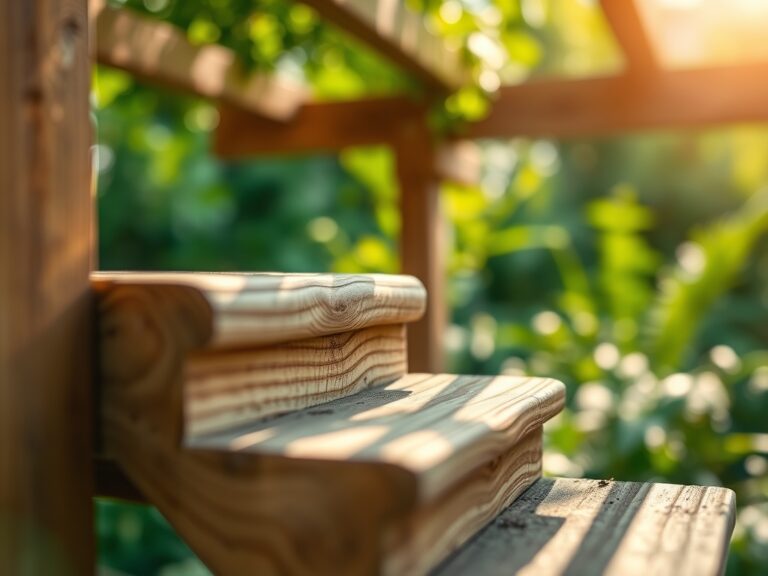
Posts should be buried at a depth equal to one-third of their total height. For a 6 foot trellis, the post must reach 2 feet underground to resist wind leverage and the weight of wet foliage.
What is the best soil for vertical climbing plants?
Use a sandy loam with a pH of 6.5. It must have high hydraulic conductivity to ensure water reaches deep roots while maintaining enough pore space for oxygen to reach the rhizosphere.
Can I install a trellis in a windy area?
Yes, but you must increase the post diameter and use subsurface concrete footings. Ensure the trellis mesh is open enough to allow 50 percent airflow, reducing the "sail effect" during high wind events.
How do I stop my trellis from rotting?
Use pressure-treated wood rated for ground contact or naturally rot-resistant species like Cedar. Ensure the soil is graded away from the post base at a 2 percent slope to prevent water pooling at the crown.