8 Kitchen Tips to Use a Specialized Herb Fertilizer
Crush a leaf of Genovese basil between your thumb and forefinger to release the volatile oils. The immediate olfactory hit of linalool and eugenol indicates high terpene density; a result of optimized cellular metabolism. Healthy herbs exhibit high turgor pressure, characterized by rigid cell walls and upright stems that resist wilting under thermal stress. Achieving this level of physiological vigor requires more than generic plant food. Using a specialized herb fertilizer ensures that the plant receives a precise balance of macro and micronutrients without the excessive nitrogen that leads to leggy, flavorless growth. In a kitchen garden environment, the goal is concentrated essential oils rather than sheer biomass. Most culinary herbs originate from Mediterranean climates where soils are lean and well drained. Over-fertilizing with high-nitrogen synthetic blends disrupts the secondary metabolite production responsible for aroma. By focusing on a targeted nutrient profile, you maintain the delicate chemistry of the rhizosphere. This approach prevents salt buildup in small containers and ensures that the Cation Exchange Capacity (CEC) of your potting medium remains functional for the entire growing season.
Materials:
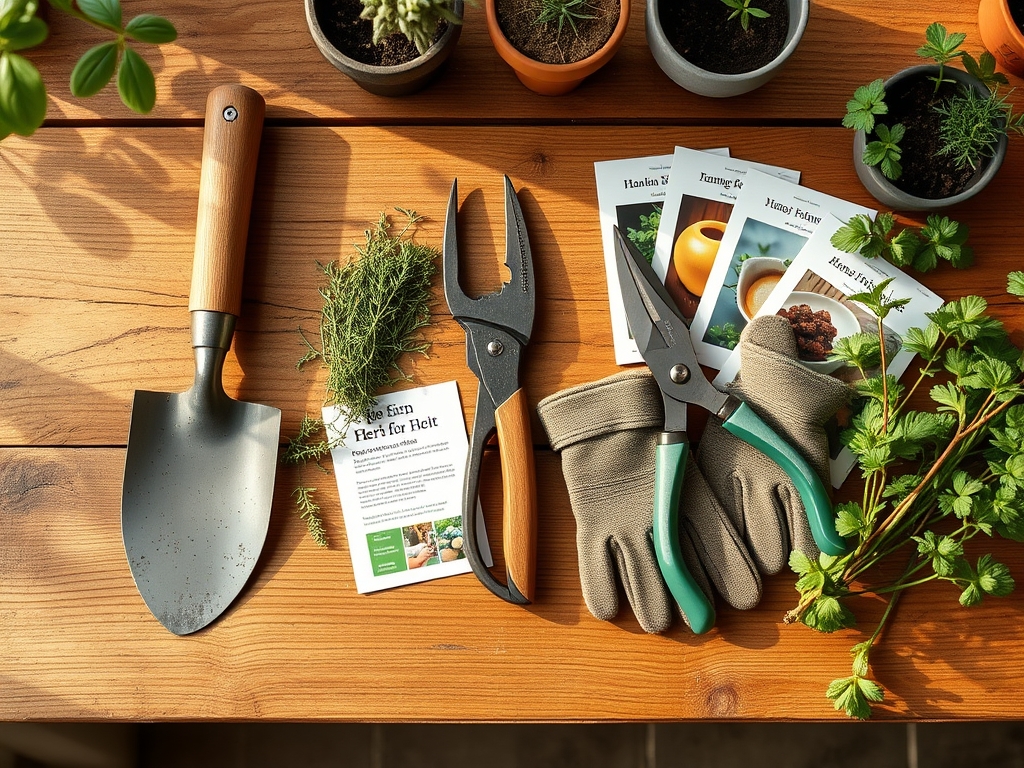
The ideal substrate for a kitchen herb garden is a **friable loam** with high porosity to ensure oxygen reaches the root zone. Aim for a **soil pH between 6.0 and 7.0** for most culinary species, though lavender prefers a slightly more alkaline **7.5 pH**. When selecting your inputs, prioritize a specialized herb fertilizer with an **NPK ratio of approximately 4-4-4 or 5-3-3**. High nitrogen (the first number) triggers rapid vegetative expansion but dilutes the concentration of essential oils.
You will need a high-quality potting mix containing perlite or pumice to prevent compaction. Avoid heavy peat-based mixes that retain excessive moisture, as this leads to root senescence. Ensure you have a calibrated soil moisture meter and a digital scale to measure granular fertilizer applications to the gram. Precision prevents nutrient lockout, a condition where an excess of one element, such as potassium, inhibits the uptake of magnesium.
Timing:
Hardiness zones dictate the metabolic window for your herbs. In Zones 7 through 9, perennial herbs like rosemary and thyme begin their active growth phase when soil temperatures consistently hit 55 degrees Fahrenheit. For annuals like cilantro and dill, the biological clock is governed by the photoperiod. These plants are prone to bolting (transitioning from vegetative to reproductive stages) when daylight exceeds 12 hours or temperatures spike above 85 degrees Fahrenheit.
Using a specialized herb fertilizer should commence at the first sign of new spring growth or two weeks after transplanting. Stop all fertilization six weeks before the first projected frost in your region. This allows the plant tissues to harden off. Late-season fertilization forces tender new growth that contains high water content, making the plant susceptible to cell wall rupture during a freeze.
Phases:

Sowing
During the germination phase, the embryo relies on stored energy within the seed coat. Do not apply fertilizer until the first set of true leaves appears. At this stage, use a diluted liquid kelp solution to encourage root branching.
Pro-Tip: Initial root development is driven by geotropism, where gravity pulls roots downward. Providing a low-dose phosphorus boost at this stage strengthens the radical without burning the delicate root hairs.
Transplanting
When moving herbs to larger vessels or outdoor beds, the risk of transplant shock is high. Ensure the root ball is moist and the receiving soil is at a similar temperature to the starter tray.
Pro-Tip: Incorporate mycorrhizal fungi into the planting hole. This creates a mycorrhizal symbiosis where fungi extend the root system's reach, increasing the surface area for nutrient absorption by up to 100 times.
Establishing
Once the plant has three to five nodes, it enters the establishment phase. This is when you begin using a specialized herb fertilizer at full strength according to the label. Apply granular formulas to the soil surface, avoiding direct contact with the stem.
Pro-Tip: Practice apical dominance suppression by pinching off the terminal buds. This redirects auxins to the lateral buds, resulting in a bushier plant with more harvestable surface area.
The Clinic:
Physiological disorders often mimic disease but are usually rooted in nutrient imbalances or environmental stress.
Symptom: Interveinal Chlorosis
Yellowing between the leaf veins while the veins remain green indicates a magnesium deficiency. This often occurs in acidic soils below 6.0 pH.
Solution: Apply a foliar spray of Epsom salts (magnesium sulfate) at a rate of one tablespoon per gallon of water for immediate uptake.
Symptom: Tip Burn on New Growth
Brown, crispy edges on the youngest leaves suggest calcium deficiency or localized dehydration.
Solution: Ensure consistent moisture levels. Calcium is non-mobile within the plant; it requires a steady stream of water (transpiration) to reach the growing tips.
Symptom: Anthocyanin Accumulation
Purpling of the undersides of leaves, especially in cool weather, signals phosphorus deficiency.
Solution: Increase the soil temperature if possible and apply a water-soluble fertilizer with a higher middle NPK number.
Fix-It: Nitrogen Chlorosis
General paling of the entire plant, starting with the older, lower leaves, indicates nitrogen is being scavenged for new growth. Using a specialized herb fertilizer with a balanced nitrogen profile will reverse this within 7 to 10 days.
Maintenance:
Precision maintenance prevents the accumulation of pathogens. Provide 1.5 inches of water per week, delivered at the drip line rather than overhead to keep foliage dry. Use a soil moisture meter to verify that the top two inches of soil are dry before re-watering.
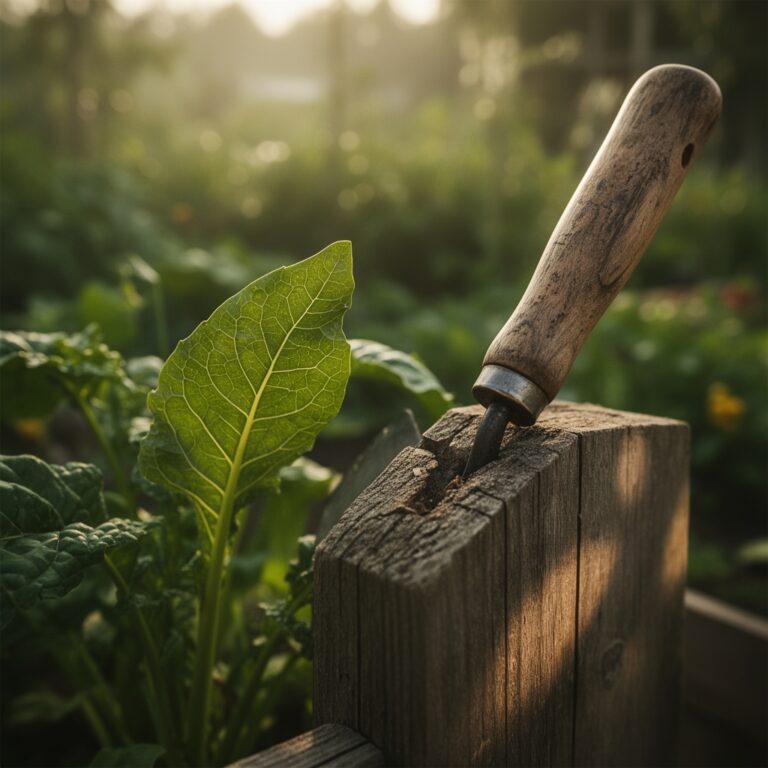
Keep your bypass pruners sterilized with 70 percent isopropyl alcohol between plants to prevent the spread of soil-borne fungi. For woody herbs like sage or rosemary, use a hori-hori knife to occasionally aerate the soil around the perimeter of the pot, breaking up surface crusting to improve gas exchange in the rhizosphere. Monitor the electrical conductivity (EC) of your runoff if you are growing in containers; an EC above 2.5 mS/cm indicates a salt buildup that requires flushing with distilled water.
The Yield:
Harvesting should occur in the early morning after the dew has evaporated but before the sun reaches its zenith. This is when the concentration of essential oils is highest. Use sharp shears to cut just above a node, never removing more than one-third of the total biomass at a single time.
For soft-stemmed herbs like parsley or mint, place the stems in a glass of water immediately after cutting. For resinous herbs like rosemary, wrap them in a damp paper towel and store them in a perforated bag at 34 to 40 degrees Fahrenheit. This suppresses the respiration rate and prevents premature senescence, maintaining "day-one" freshness for up to two weeks.
FAQ:
How often should I apply herb fertilizer?
Apply granular specialized herb fertilizer every 4 to 6 weeks during the active growing season. For liquid applications, a bi-weekly schedule at half-strength is safer to prevent nutrient burn and salt accumulation in the substrate.
Can I use standard vegetable fertilizer for herbs?
Standard vegetable fertilizers often have high nitrogen ratios (like 10-10-10) which force rapid, watery growth. This reduces the concentration of essential oils. Using a specialized herb fertilizer with lower, balanced numbers preserves the plant's aromatic profile.
What is the best pH for a kitchen herb garden?
Most culinary herbs thrive in a pH range of 6.0 to 7.0. This range ensures maximum bioavailability of macronutrients. If the pH fluctuates outside this window, the plant may experience nutrient lockout regardless of how much fertilizer is applied.
Why are my herb leaves turning yellow at the bottom?
Yellowing of older, lower leaves usually indicates nitrogen chlorosis. The plant is mobile-nutrient deficient and is moving nitrogen to the new growth. Apply a balanced herb fertilizer to restore the nitrogen levels in the soil.
Should I fertilize herbs in the winter?
No. Most herbs enter a period of dormancy or significantly slowed metabolism during winter. Fertilizing during this time can lead to salt toxicity in the soil because the roots are not actively absorbing nutrients at a high rate.