7 Lush Steps for Repotting a Pothos for Full Vines
Damp earth releases a sharp, geosmin-rich scent when the root ball is disturbed; this is the smell of a functional rhizosphere. A healthy Epipremnum aureum displays high turgor pressure in its petioles, holding leaves perpendicular to the light source to maximize photosynthetic efficiency. When the plant becomes root-bound, its growth rate plateaus and leaves begin to shrink. Mastering the steps for repotting a pothos requires more than a larger container; it demands a precise manipulation of soil chemistry and root architecture to trigger a surge in vegetative biomass.
Success depends on the transition from a cramped, nutrient-depleted environment to a substrate with high porosity and balanced mineral availability. You are not simply moving a plant; you are resetting its biological potential. By refreshing the medium, you restore the cation exchange capacity (CEC), allowing the root hairs to once again access essential ions like potassium and magnesium. This process prevents the onset of senescence in older foliage and encourages the development of thick, trailing vines. The goal is a seamless transition that minimizes transplant shock and maximizes the uptake of water and nutrients within the first forty-eight hours of the move.
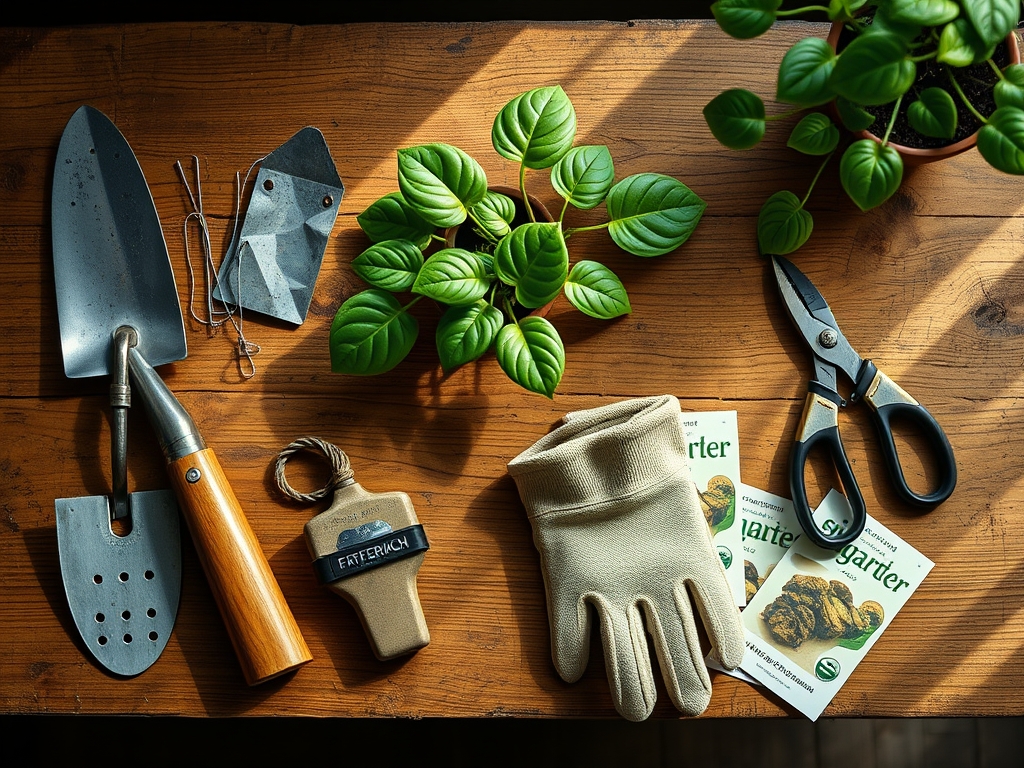
Materials:
The ideal substrate for a pothos is a **friable loam** that maintains a **pH range between 6.1 and 6.5**. Standard potting mixes often lack the structural integrity required for long-term vine health. Construct a custom medium using **40 percent peat moss or coconut coir, 30 percent perlite, and 30 percent pine bark**. This ratio ensures a high oxygen diffusion rate to the roots while maintaining adequate moisture.
Nutrient density is critical. Incorporate a slow-release fertilizer with an NPK ratio of 10-10-10 or 20-10-10 to support rapid leaf expansion. Nitrogen is the primary driver for the chlorophyll production required for those long vines. Ensure the new container is only 2 inches wider in diameter than the current pot. A container that is too large leads to "perched water tables," where the bottom of the soil remains saturated, causing anaerobic conditions that suffocate the root system.
Timing:
Pothos are typically grown indoors, but they remain tethered to the external photoperiod. The optimal window for repotting is late spring or early summer, coinciding with the plant's peak vegetative state. In Hardiness Zones 10 through 12, where these plants can survive outdoors, repotting should occur once nighttime temperatures consistently remain above 55 degrees Fahrenheit.
The biological clock of the plant is sensitive to light duration. As day length increases, the production of auxins at the apical meristem accelerates, signaling the roots to expand. Repotting during this high-growth phase allows the plant to colonize the new substrate quickly. Avoid repotting during the winter dormancy period, typically between November and February, as the reduced metabolic rate slows root regeneration and increases the risk of fungal pathogens in the damp, undisturbed soil.
Phases:
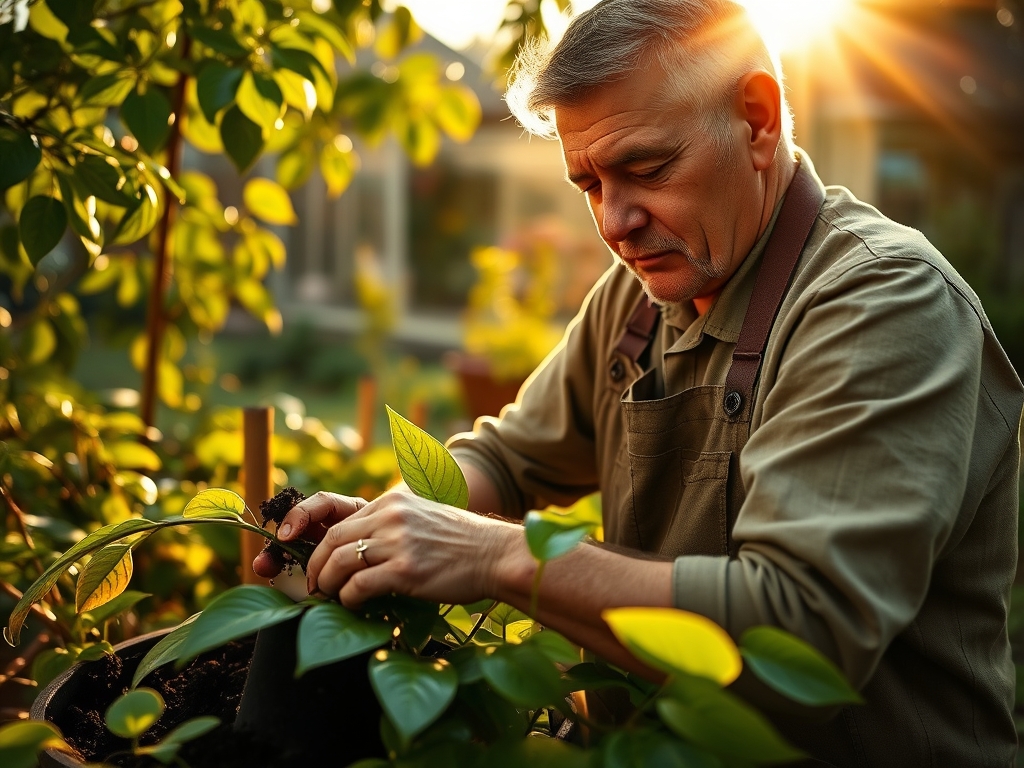
Sowing the Foundation
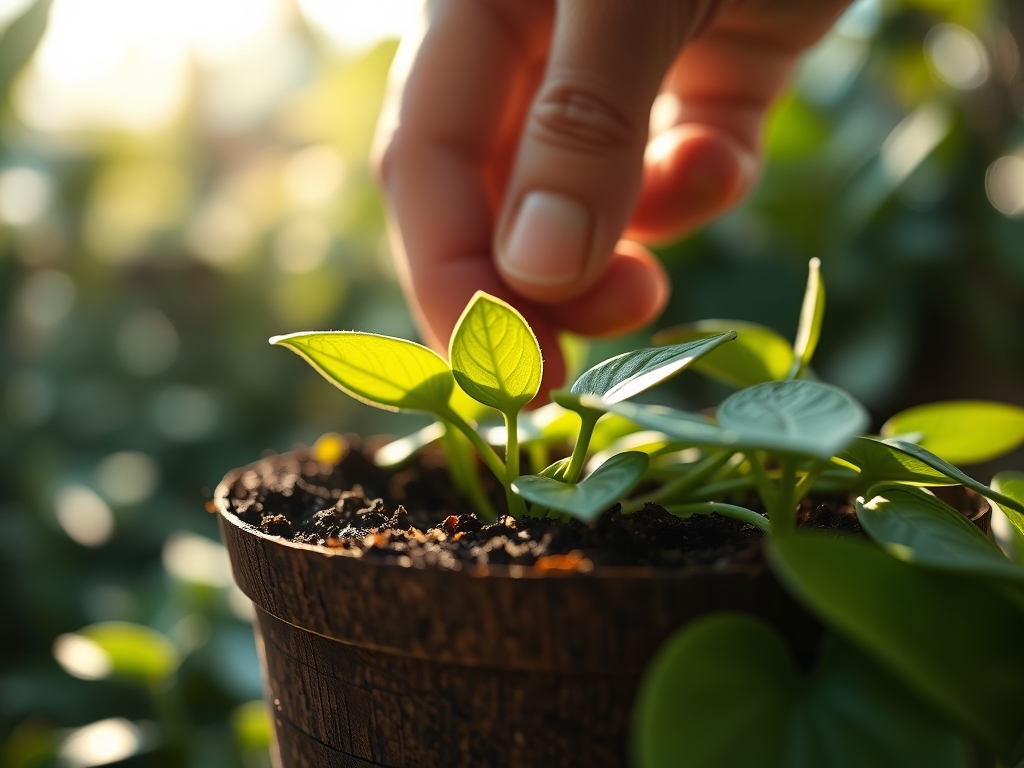
Before extraction, hydrate the plant thoroughly 24 hours in advance. This ensures the cells are at full turgor, making the stems less brittle during handling. Gently invert the pot and support the main mass of the plant. If the plant is stuck, use a hori-hori knife to slice along the inner perimeter of the container. Inspect the root system for "circling roots" which can eventually girdle the plant and restrict vascular flow.
Pro-Tip: Use a sterilized blade to make three to four vertical shallow cuts in the root ball. This mechanical disruption breaks apical dominance in the roots, stimulating the growth of lateral root hairs through a process called "adventitious rooting."
Transplanting and Positioning
Place a layer of the prepared substrate in the bottom of the new pot so the top of the root ball sits 1 inch below the rim. This gap, known as "headspace," prevents water runoff and ensures deep saturation during irrigation. Center the plant and backfill the voids with the friable loam. Do not compress the soil with your palms; instead, tap the pot firmly on a hard surface to settle the particles without destroying the macropores required for gas exchange.
Pro-Tip: Incorporate mycorrhizal fungi inoculants into the backfill. This establishes a symbiotic relationship where the fungi extend the reach of the root system, significantly increasing the surface area for phosphorus and water absorption.
Establishing the Vines
Immediately after transplanting, water the plant until liquid drains freely from the bottom. This "settling water" eliminates large air pockets that can cause root desiccation. Place the pothos in a location with bright, indirect light (approximately 1,500 to 3,000 foot-candles). Avoid direct solar radiation for the first seven days to prevent excessive transpiration while the roots are still settling.
Pro-Tip: Maintain high humidity around the foliage for the first week. This reduces the vapor pressure deficit (VPD), allowing the plant to retain moisture while the root system re-establishes its hydraulic lift capacity.
The Clinic:
Physiological disorders often manifest shortly after repotting if the environment is not calibrated correctly.
- Symptom: Interveinal Chlorosis. The leaves turn yellow while the veins remain green.
- Solution: This indicates a Magnesium deficiency. Apply a solution of 1 tablespoon of Epsom salts per gallon of water to restore magnesium ions to the substrate.
- Symptom: Leaf Tip Burn. Brown, crispy edges on new and old growth.
- Solution: This is often caused by salt accumulation or fluoride in tap water. Flush the soil with distilled water and ensure the pot has adequate drainage.
- Symptom: Epinasty (Downward Curling). Leaves appear wilted despite moist soil.
- Solution: This is a sign of root rot (Pythium) or extreme transplant shock. Reduce watering frequency and check for mushy, brown roots; prune affected areas with sterilized bypass pruners.
- Fix-It for Nitrogen Chlorosis: If the entire plant looks pale green or yellow, it lacks nitrogen. Apply a liquid fertilizer with a high first number (e.g., 10-5-5) at half strength to quickly boost chlorophyll synthesis.
Maintenance:
Precision in maintenance prevents the need for frequent emergency repotting. Use a soil moisture meter to verify that the top 2 inches of soil are dry before adding more water. On average, a pothos requires approximately 1.5 inches of water per week, delivered directly to the soil surface to avoid wetting the foliage, which can invite bacterial leaf spot.
Pruning is essential for "full vines." Use bypass pruners to cut stems just above a node. This removes the terminal bud and redirects auxins to the axillary buds, forcing the plant to branch out rather than growing a single, leggy vine. Every six months, wipe the leaves with a damp cloth to remove dust, which can block stomata and reduce photosynthetic efficiency by up to 30 percent.
The Yield:
While pothos is not an edible crop, its "yield" is measured in healthy vegetative cuttings. To propagate for a fuller mother plant, harvest cuttings with at least two nodes during the active growing season. Place these in a high-quality propagation medium or water. Once the secondary roots reach 2 inches in length, transplant them back into the original pot. This technique, known as "plugging," creates the appearance of a much denser, more robust plant by increasing the number of individual vines per square inch of soil surface.
FAQ:
How do I know when to repot my pothos?
Observe the drainage holes. If roots are protruding or if water runs straight through the pot without being absorbed, the plant is root-bound. A decrease in leaf size also indicates the need for fresh substrate and more space.
What is the best soil for pothos?
A well-draining, peat-based mix with a pH of 6.1 to 6.5 is ideal. Use a blend of 40% peat, 30% perlite, and 30% bark to ensure high aeration and a strong cation exchange capacity for nutrient uptake.
Can I use a pot without drainage holes?
No. Lack of drainage causes water to pool at the bottom, creating an anaerobic environment. This leads to root rot and the eventual death of the plant due to a lack of oxygen in the rhizosphere.
Why are my pothos leaves turning yellow after repotting?
This is typically transplant shock or overwatering. Ensure the plant is not sitting in stagnant water. If the yellowing is localized to new growth, check for nutrient deficiencies like iron or nitrogen in the new soil mix.