7 Rooftop Steps to Prepare an Urban Rooftop Vegetable Garden
Urban rooftop environments impose unique mechanical and environmental constraints on vegetable cultivation. Learning how to prepare a garden for a rooftop vegetable garden begins with understanding structural load limits, wind exposure patterns, and substrate depth requirements. A standard residential roof supports 20 to 30 pounds per square foot when dry; saturated growing media, containers, and mature crops can exceed this threshold. Before placing a single seed, consult a structural engineer to verify load capacity and install proper drainage to prevent water pooling.
Materials
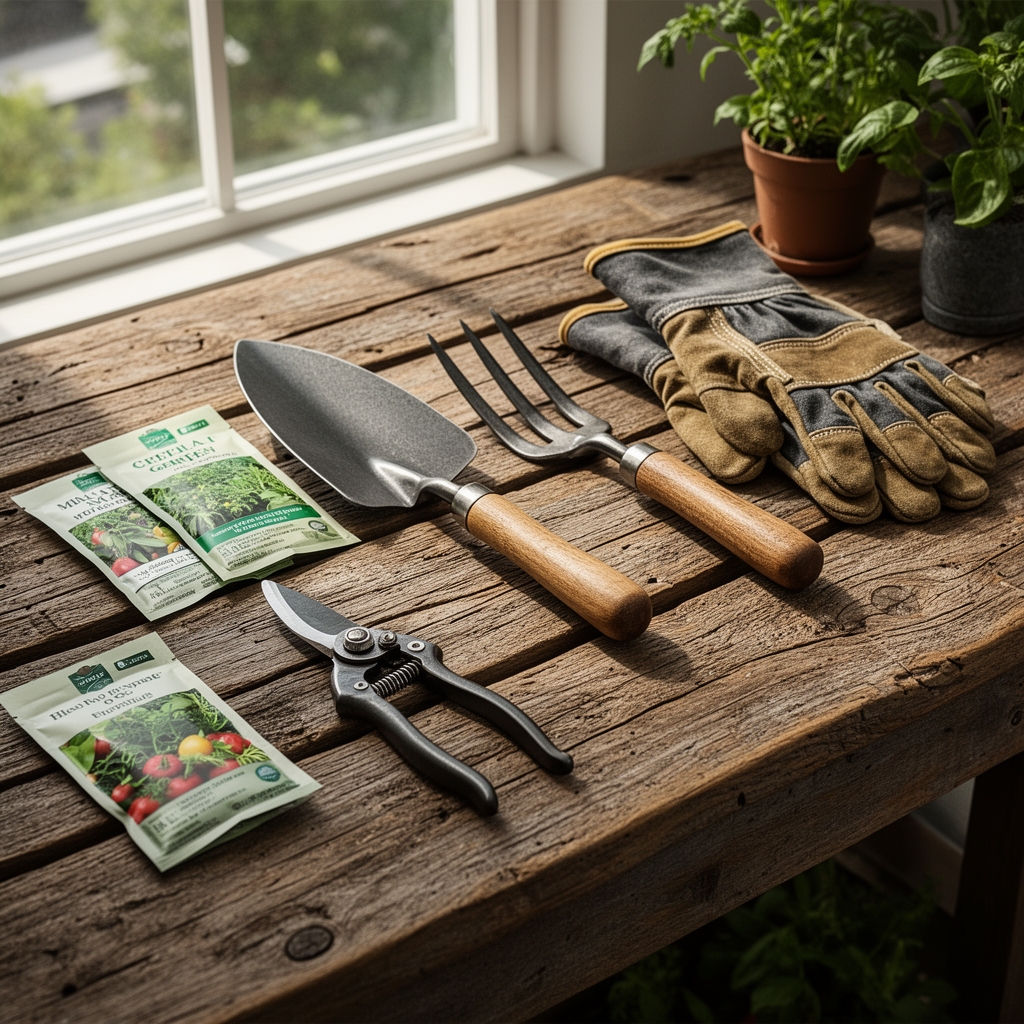
Substrate composition determines root aeration and nutrient availability. Use a lightweight blend of 40% aged compost, 30% perlite, and 30% coconut coir to reduce weight while maintaining a cation exchange capacity above 15 meq/100g. Target a pH of 6.2 to 6.8 for most fruiting vegetables. Apply a balanced organic fertilizer rated 4-4-4 at 2 pounds per 100 square feet during initial bed preparation. Supplement with kelp meal (1-0-2) at 1 pound per 100 square feet to supply trace minerals and cytokinins that promote lateral root development.
Select containers with a minimum depth of 12 inches for leafy greens and 18 inches for tomatoes, peppers, and root crops. Fabric pots improve gas exchange at the root zone but dry faster than rigid polyethylene. Install drip irrigation lines with pressure-compensating emitters rated at 0.5 gallons per hour to deliver consistent moisture. Wind screens constructed from 50% shade cloth reduce desiccation and mechanical damage to foliage. Anchor all structures with UV-resistant cable ties or stainless steel wire to prevent displacement during storms.
Timing
Hardiness Zones 5 through 7 permit outdoor transplanting 10 to 14 days after the last spring frost, typically mid-May. Zones 8 and warmer allow year-round cultivation with seasonal rotation. Start seeds indoors 6 to 8 weeks before the transplant window. Cold-season crops such as kale and spinach tolerate air temperatures down to 28°F and can be direct-seeded 4 weeks before the last frost. Warm-season crops require soil temperatures above 60°F for germination. Use a soil thermometer at 4 inches depth to confirm conditions before sowing squash, beans, or cucumbers.
Plan succession plantings every 2 weeks for crops with short harvest windows. Lettuce matures in 45 days; stagger sowings from April through June and resume in late August for fall yields. Monitor day length; many brassicas bolt when exposed to more than 14 hours of light. In southern latitudes, provide 30% shade cloth during summer to prevent premature flowering.
Phases
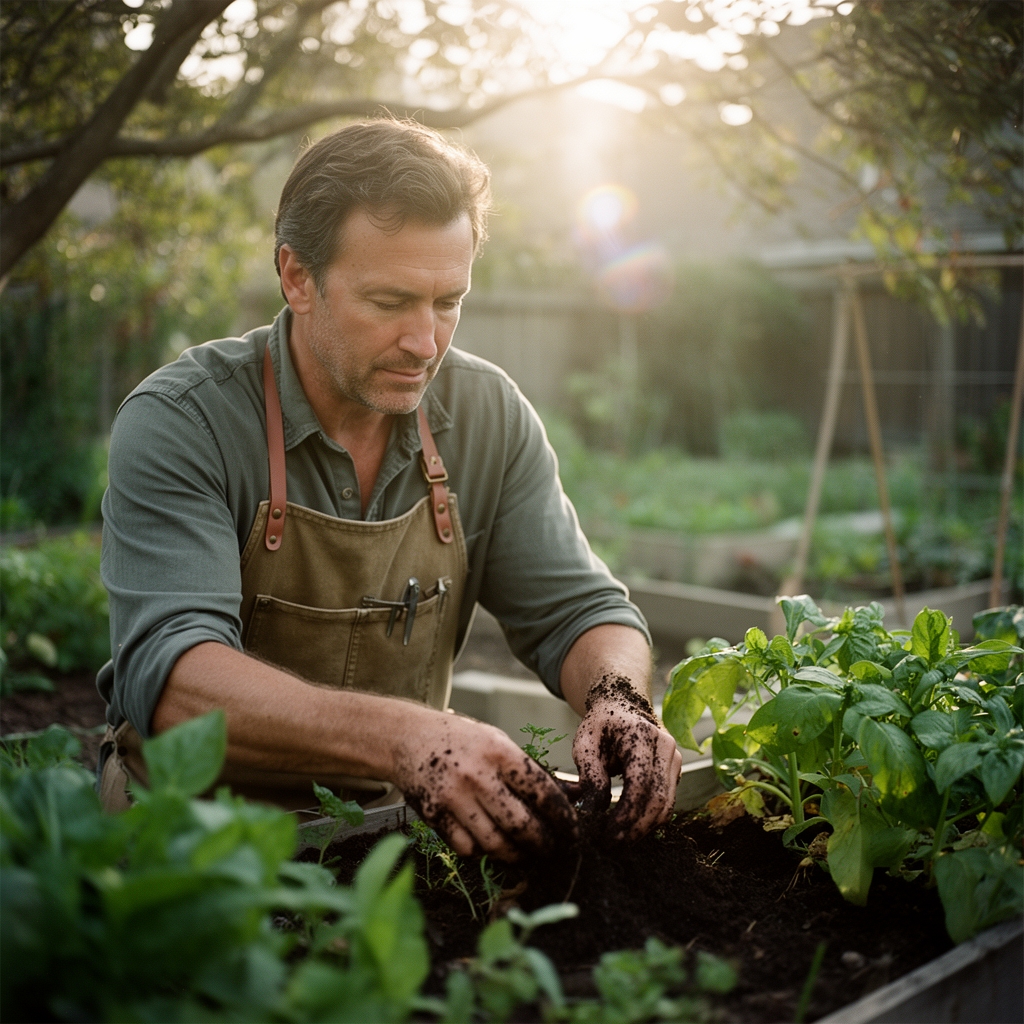
Sowing: Moisten substrate to field capacity before placing seeds. Sow at twice the seed diameter depth. Cover flats with humidity domes until cotyledons emerge, then remove to prevent damping-off. Maintain air temperature at 70°F for nightshades and 65°F for brassicas. Apply a dilute solution of fish emulsion (5-1-1) at one-quarter strength weekly once true leaves appear.
Pro-Tip: Inoculate substrate with mycorrhizal fungi at 0.25 ounces per cubic foot during transplanting. Glomus intraradices forms symbiotic associations with tomato roots, extending phosphorus uptake radius by 10-fold.
Transplanting: Harden seedlings by reducing water and lowering temperature by 10°F over 7 days. Transplant on overcast days to minimize transplant shock. Dig holes 1 inch deeper than root balls. Position tomato seedlings so the first true leaves sit at soil level; adventitious roots form along buried stems. Water with a starter solution of 1 tablespoon soluble 10-52-10 per gallon to stimulate root elongation via auxin distribution.
Pro-Tip: Prune tomato seedlings to a single leader at a 45-degree angle to encourage apical dominance and reduce canopy density.
Establishing: Apply 2 inches of shredded hardwood mulch around transplants to stabilize soil temperature and suppress weeds. Install stakes or cages at planting to avoid root disturbance later. Train indeterminate tomatoes to a single stem by removing suckers weekly. Pinch basil terminals every 3 weeks to promote lateral branching and delay flowering.
Pro-Tip: Foliar spray chelated calcium at 200 ppm every 10 days during fruit set to prevent blossom-end rot in peppers and tomatoes.
Troubleshooting
Symptom: Interveinal chlorosis on young leaves. Solution: Iron deficiency induced by high pH. Apply chelated iron (Fe-EDDHA) at 1 ounce per 10 gallons as a drench. Retest substrate pH and amend with elemental sulfur at 0.5 pounds per 100 square feet if above 7.0.
Symptom: Wilting despite adequate moisture. Solution: Suspect root-knot nematodes (Meloidogyne spp.). Remove affected plants and solarize substrate by sealing in clear plastic for 6 weeks during peak summer heat. Replant with resistant varieties.
Symptom: White powdery coating on leaf surfaces. Solution: Powdery mildew thrives in high humidity and poor air circulation. Apply potassium bicarbonate at 2 tablespoons per gallon weekly. Increase spacing and prune lower leaves to improve airflow.
Symptom: Fruit cracking on tomatoes. Solution: Fluctuating soil moisture causes uneven expansion. Maintain substrate moisture between 60% and 80% of field capacity using a tensiometer. Mulch heavily to buffer moisture swings.
Maintenance
Water when tensiometers read 20 to 30 centibars of tension. Deliver 1 inch of water per week, adjusted for rainfall and temperature. Container substrates dry faster than in-ground beds; check daily during heat waves above 90°F. Fertigate every 14 days with a balanced liquid fertilizer (5-5-5) at 1 tablespoon per gallon. Sidedress heavy feeders like squash with composted manure at 3 pounds per plant mid-season.
Scout for pests twice weekly. Handpick hornworms and crush egg clusters. Release Amblyseius swirskii at 50 per plant to control thrips and whiteflies. Harvest crops at peak maturity to channel energy into continued production rather than seed formation.
FAQ
How much weight does rooftop soil add?
Saturated lightweight substrate averages 12 to 15 pounds per cubic foot. A 4-foot by 8-foot bed at 12 inches deep holds approximately 32 cubic feet, totaling 480 pounds when wet.
Can I grow root vegetables on a rooftop?
Yes, if containers exceed 18 inches in depth. Choose short-rooted varieties like 'Thumbelina' carrots or 'Romeo' beets that mature in confined spaces.
How do I prevent wind damage?
Install windbreaks on prevailing wind sides. Stake plants at installation. Avoid brittle-stemmed varieties and select compact cultivars bred for container culture.
What is the best irrigation method for rooftops?
Drip irrigation with a timer conserves water and delivers moisture directly to root zones. Install a backflow preventer and pressure regulator to protect building plumbing.
How often should I replace rooftop substrate?
Refresh 30% of substrate annually by mixing in aged compost. Complete replacement every 3 to 4 years maintains fertility and prevents compaction as organic matter decomposes.