9 Trellis Steps to Build a Vertical Vegetable Garden Trellis
Growing pole beans, cucumbers, and indeterminate tomatoes on the ground wastes three-quarters of your garden's potential yield. Steps for building a vegetable garden trellis convert horizontal sprawl into vertical production, increasing harvest per square foot while improving airflow and reducing fungal pathogens. A well-anchored structure supports 40 to 60 pounds of mature vines without collapse. The framework described here uses cedar posts resistant to rot, galvanized wire mesh with 6-inch openings, and ground anchors rated for wind loads up to 25 mph. This system accommodates crops requiring between 120 and 180 days of frost-free growth.
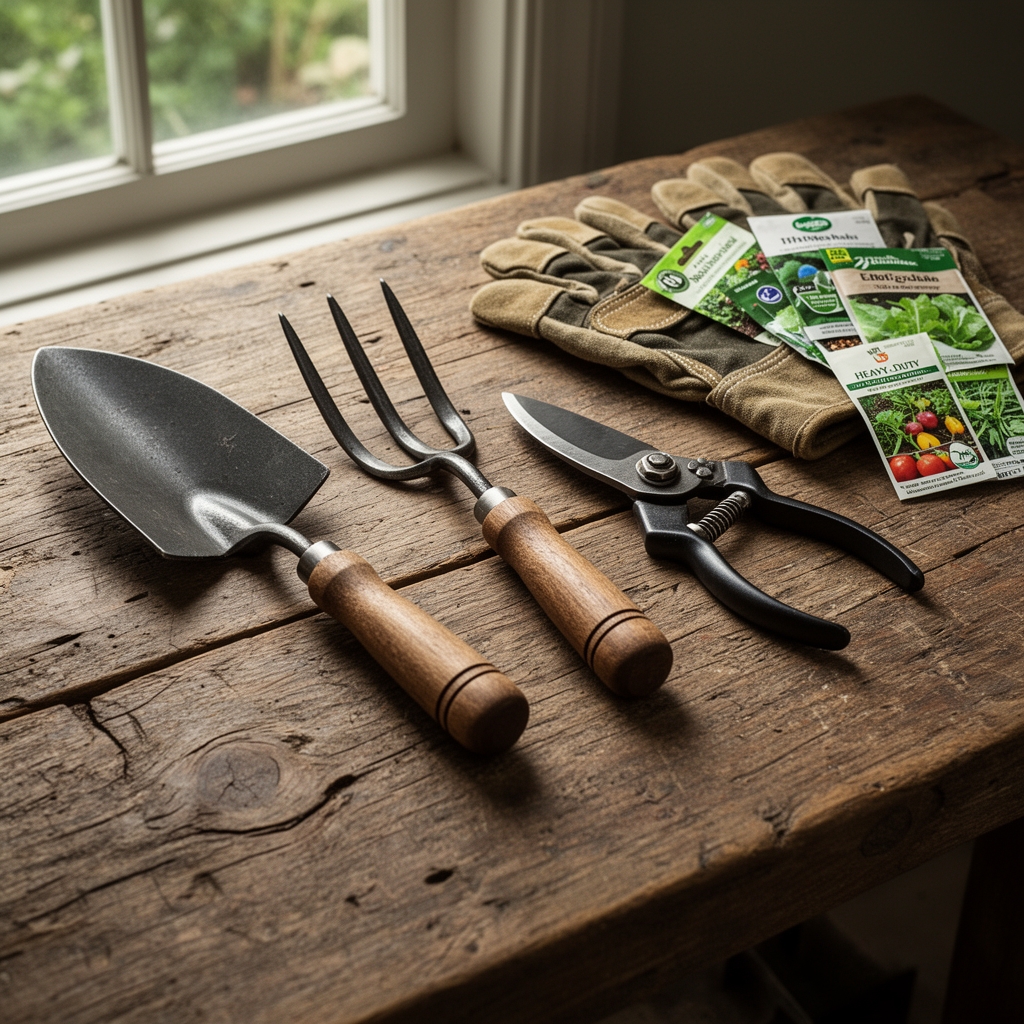
Materials
Begin with two 8-foot cedar 4×4 posts treated with boron-based preservative, not creosote. Cedar contains natural thujaplicins that resist decay for 15 to 20 years in direct soil contact. Anchor posts 24 inches deep in soil with cation exchange capacity above 10 meq/100g for stability. Sandy loam requires concrete footings; clay loam holds without amendment.
Wire mesh should be 16-gauge galvanized steel with 6-inch grid spacing. Smaller openings restrict hand access during harvest. Larger openings allow vines to slip through under wind load. Secure mesh with galvanized fence staples every 8 inches along the posts.
Apply 2 inches of composted bark mulch amended with 4-4-4 organic fertilizer at planting. This slow-release formula provides equal parts nitrogen for foliage, phosphorus for root establishment, and potassium for structural integrity. Avoid high-nitrogen formulas above 10-5-5; they promote excessive vegetative growth at the expense of fruiting.
Purchase mycorrhizal inoculant containing Glomus intraradices and Rhizophagus irregularis. These fungi colonize root cortex cells and extend phosphorus uptake radius by 10 to 15 times.
Timing
Install the trellis structure 3 weeks before your last average frost date. This allows soil to settle around posts before loading begins. For USDA Hardiness Zones 5 through 7, construction begins mid-April. Zones 8 and 9 can install in late February.
Sow seeds indoors 6 to 8 weeks before transplant date. Germination requires soil temperature of 65 to 75 degrees Fahrenheit. Transplant when seedlings show true leaves and nighttime air temperature remains above 50 degrees for 7 consecutive days.
Zone 10 and warmer allow year-round planting but require shade cloth rated at 30 percent during summer months when daily highs exceed 90 degrees.
Phases
Sowing: Direct-seed pole beans, cucumbers, and peas at the base of the trellis when soil reaches 60 degrees at 4-inch depth. Plant seeds 2 inches from the structure at 4-inch intervals. Cover with 1 inch of soil and water to field capacity. Germination occurs in 7 to 10 days.
Pro-Tip: Inoculate legume seeds with Rhizobium bacteria before planting. This symbiotic organism forms root nodules that fix atmospheric nitrogen at rates up to 150 pounds per acre per season.
Transplanting: Set tomato and pepper transplants 6 inches from trellis posts when root balls fill 4-inch pots completely. Dig holes 8 inches deep and dust with mycorrhizal inoculant at 1 teaspoon per plant. Bury stems up to first true leaves to encourage adventitious root formation along buried portions. Water with diluted fish emulsion at 2-4-1 ratio to stimulate root growth without excessive foliage.
Pro-Tip: Prune tomato transplants to single leader by removing all suckers below first flower truss. This concentrates auxin distribution into vertical growth and simplifies training to trellis wires.
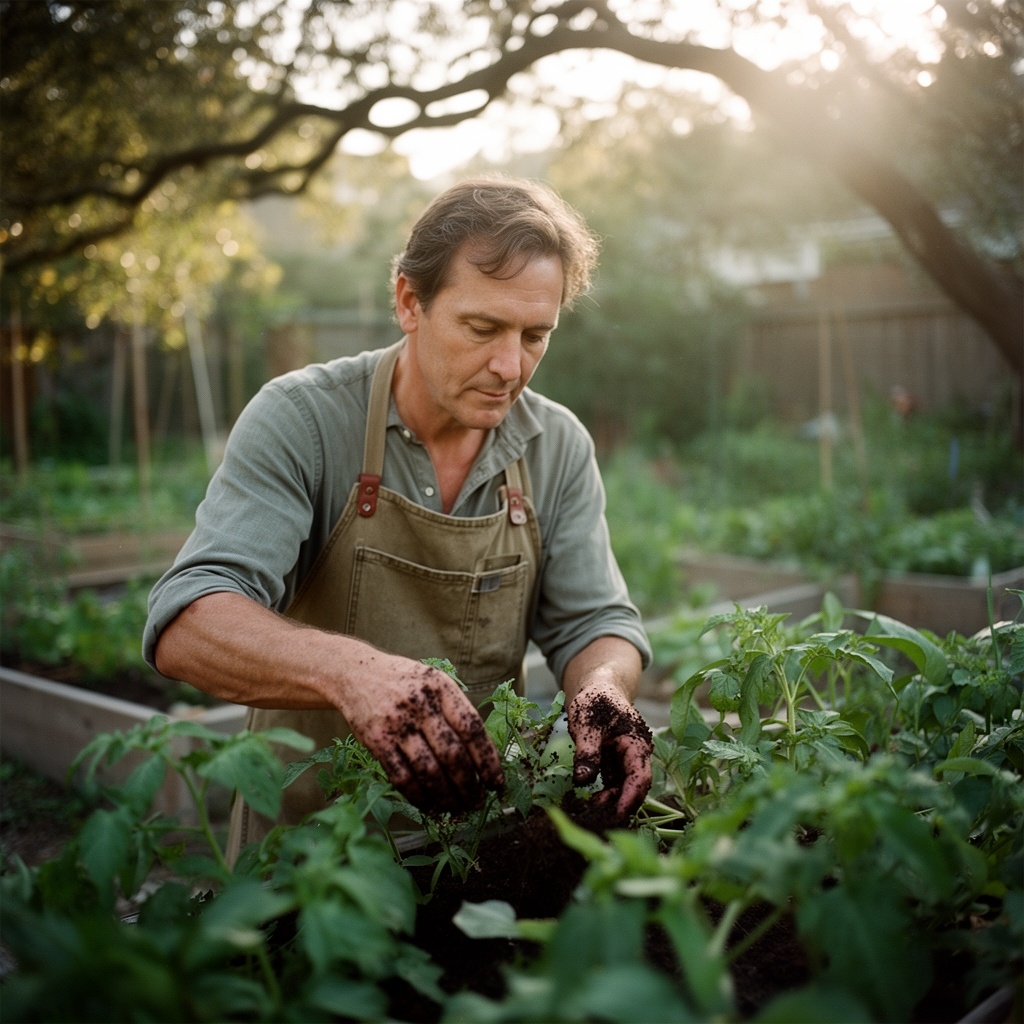
Establishing: Train vines to wire mesh when stems reach 12 inches. Weave leading shoots through openings in figure-eight pattern to distribute weight. Secure with jute twine; avoid plastic zip ties that cut into expanding stems. Apply 1 inch of water per week, increasing to 1.5 inches during fruit set.
Pro-Tip: Foliar spray with kelp extract (0-0-1 analysis) every 14 days increases stress tolerance and provides trace elements including boron for pollen tube formation.
Troubleshooting
Symptom: Yellowing lower leaves with green veins indicate iron chlorosis.
Solution: Lower soil pH to 6.0-6.5 using elemental sulfur at 1 pound per 100 square feet. Chelated iron spray provides temporary correction while sulfur acidifies over 60 days.
Symptom: Blossom end rot appears as sunken black lesions on fruit bottoms.
Solution: Maintain consistent soil moisture. Calcium deficiency results from irregular watering, not soil depletion. Mulch to 3 inches and install drip irrigation on 48-hour cycles.
Symptom: Powdery mildew shows white fungal growth on leaf surfaces.
Solution: Spray with 1 tablespoon baking soda per gallon of water plus 1 teaspoon insecticidal soap as surfactant. Apply weekly in early morning to reduce humidity on leaf surfaces.
Symptom: Cucumber beetles chew circular holes in leaves and vector bacterial wilt.
Solution: Apply kaolin clay spray every 7 days. White coating deters feeding and oviposition without toxic residue. Remove and destroy wilted plants immediately to prevent pathogen spread.
Maintenance
Water to 1 inch per week during vegetative growth, measured with rain gauge. Increase to 1.5 inches during flowering and fruit development. Soil moisture should reach 12 inches deep, tested with metal probe.
Side-dress with 5-10-10 fertilizer at 1 cup per 10 feet of row when first flowers open. Phosphorus supports bloom set; potassium improves fruit quality and disease resistance.
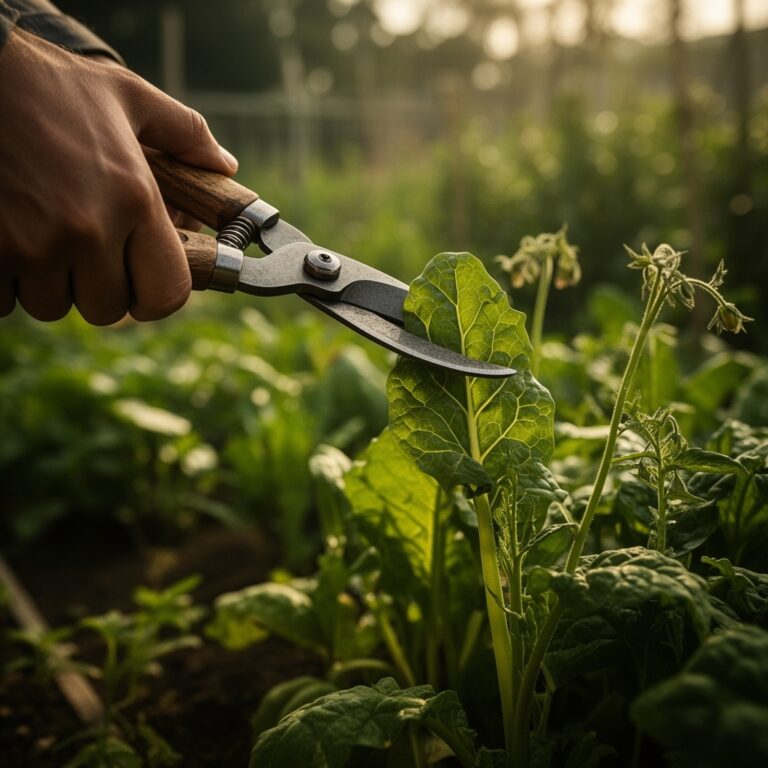
Prune indeterminate tomatoes weekly, removing suckers above sixth truss. This limits plant height to 6 feet and concentrates energy into fruit maturation.
Harvest cucumbers and beans every 48 hours once production begins. Mature fruit left on vines signals plants to stop flowering through ethylene production.
FAQ
How deep should trellis posts be buried?
Bury posts one-third of total height. An 8-foot post requires 24 to 30 inches below grade in stable soil.
What wire gauge prevents sagging?
16-gauge galvanized wire supports up to 60 pounds per linear foot. Lighter 18-gauge works for peas but fails under tomato loads.
Can I use treated lumber?
Modern alkaline copper quaternary (ACQ) treatments are safe for vegetable gardens. Avoid older CCA-treated wood containing arsenic.
How far apart should I space multiple trellis panels?
Space panels 3 feet apart center-to-center. This allows walkway access and adequate light penetration.
Do I need to remove the trellis in winter?
Cedar posts remain in place year-round. Remove annual wire mesh and compost spent vines to prevent overwintering pests.