9 Steps to Install a Decorative Garden Arch for Climbing Squash
Growing squash vertically transforms a sprawling vegetable into an architectural feature. The heavy fruits dangle beneath broad leaves while tendrils grip the framework, turning a utilitarian crop into a living ceiling. Steps for installing a vegetable garden arch begin with understanding that winter squash can produce 15-pound fruits suspended six feet in the air, demanding structural integrity that rivals grape arbors. The key is anchoring before you plant.
Materials and Soil Amendments
Select galvanized steel or cedar lumber rated for ground contact. Steel arches require 1.5-inch outer diameter tubing with 16-gauge wall thickness. Cedar posts demand a minimum 4×4 dimension, set 24 inches deep in a 50:50 mix of native soil and gravel for drainage.
Prepare the planting zone with amendments targeting a soil pH between 6.0 and 6.8. Incorporate a 4-4-4 organic fertilizer at 2 pounds per 100 square feet two weeks before transplanting. Add composted manure at one cubic foot per four linear feet of arch base. For sandy soils with low cation exchange capacity, blend in biochar at 10 percent by volume to improve nutrient retention. Mycorrhizal fungi inoculant applied directly to transplant root zones increases phosphorus uptake by 40 percent in established plants.
Install drip irrigation tubing along the arch base before setting posts. Position emitters every 18 inches, delivering 0.5 gallons per hour. This prevents foliage diseases common with overhead watering while directing moisture to the root zone where auxin distribution drives lateral root development.
Timing and Climate Considerations
Install the arch structure in early spring, four weeks before the last expected frost. This allows soil compaction around posts to settle. In USDA Hardiness Zones 3 through 6, target arch installation between March 15 and April 10. Zones 7 through 9 can install as early as February 20.
Squash transplants move outdoors only when soil temperature at four-inch depth reaches 65°F for three consecutive days. Use a soil thermometer at 8:00 AM for accurate readings. Transplant shock reduces auxin production, delaying vine establishment by 10 to 14 days if soil remains below 60°F.
Installation Phases
Phase One: Foundation and Framework
Excavate post holes to 30 inches depth using a clamshell digger. Pour three inches of gravel into each hole for drainage. Set posts or insert steel legs, ensuring vertical alignment with a 48-inch level. Backfill with tamped soil in six-inch lifts. Concrete footings add stability in sandy substrates; mix one 60-pound bag per post, allowing 72 hours to cure.
Attach horizontal cross-members at seven-foot height for winter squash varieties. Summer squash requires only five-foot clearance. Secure joints with galvanized carriage bolts or stainless steel screws rated for 150 pounds shear strength. String 16-gauge vinyl-coated wire or hemp twine in 10-inch grid patterns between cross-members. Squash tendrils coil most effectively around supports between 0.25 and 0.5 inches in diameter.
Pro-Tip: Apply copper-based wood preservative to untreated lumber cut ends, extending service life from eight years to 15 years in direct soil contact.
Phase Two: Transplanting and Training
Space transplants 24 inches apart along both sides of the arch. Dig planting holes twice the root ball width and equal depth. Position the stem at the same depth it occupied in the container; deeper planting invites stem rot. Water each transplant with one gallon of diluted fish emulsion (2-4-1 NPK ratio) at half strength.
Begin training when vines reach 18 inches. Gently wrap the main stem clockwise around vertical supports, matching the plant's natural tendril coil direction. Prune lateral shoots emerging below 12 inches to direct energy upward. Remove the first two female flowers (identifiable by the miniature fruit behind the blossom) to allow root system establishment before fruit set.
Pro-Tip: Inoculate the planting hole with Trichoderma harzianum at 1 gram per plant to suppress Fusarium wilt, which causes sudden vine collapse during peak fruiting.
Phase Three: Fruit Support and Maintenance
Once fruits reach softball size, install individual support slings. Cut breathable fabric or repurpose mesh produce bags into 12-inch squares. Tie each corner to the arch framework, cradling the developing squash. This prevents premature stem separation, which occurs when fruits exceed four pounds without support.
Monitor vine tips for apical dominance. Pinch terminal growth when vines extend two feet beyond the arch perimeter. This redirects carbohydrates to existing fruits, increasing sugar content by 2 to 3 Brix degrees at harvest.
Pro-Tip: Apply foliar calcium spray (calcium chloride at 0.5 percent concentration) every 14 days during fruit development to prevent blossom end rot, a disorder unrelated to soil calcium levels but caused by inconsistent water uptake.
Troubleshooting Common Disorders
Symptom: Powdery white coating on upper leaf surfaces, reducing photosynthesis by 30 percent.
Solution: Apply potassium bicarbonate spray (1 tablespoon per gallon) at seven-day intervals. Prune overcrowded foliage to increase air circulation.
Symptom: Yellowing leaves with green veins, indicating iron chlorosis.
Solution: Lower soil pH to 6.2 using elemental sulfur at 1 pound per 100 square feet. Iron chelate foliar spray provides temporary relief while sulfur acts.
Symptom: Wilting despite adequate soil moisture; Squash vine borer larvae tunnel through stems.
Solution: Wrap stem bases with aluminum foil to six-inch height during egg-laying period (late June in Zone 5). Inject Bacillus thuringiensis var. kurstaki into entry holes using a syringe.
Symptom: Fruit fails to develop; flowers drop without setting.
Solution: Insufficient pollination. Hand-pollinate by transferring pollen from male flowers (on thin stems) to female flowers using a soft brush between 6:00 and 10:00 AM when pollen viability peaks.
Symptom: Stunted growth with dark green leaves; phosphorus deficiency in cold soils.
Solution: Side-dress with bone meal (3-15-0) at one-quarter cup per plant. Phosphorus uptake resumes when soil temperature exceeds 60°F.
Ongoing Maintenance Protocol
Deliver one inch of water weekly through drip irrigation, measured with a rain gauge. Split into two 0.5-inch applications during fruit swell to prevent blossom end rot. Increase to 1.5 inches during temperatures above 85°F.
Side-dress every three weeks with 5-10-10 granular fertilizer at one tablespoon per plant, watering immediately to activate. Cease nitrogen applications when fruits reach full size to improve storage quality.
Inspect the underside of leaves weekly for Squash bug egg clusters (bronze and hexagonal). Scrape eggs into soapy water. Remove spent leaves below active fruit zones to reduce disease pressure and improve airflow.
Frequently Asked Questions
What arch width accommodates two squash plants?
A minimum 48-inch interior span allows adequate root zone separation and prevents vine tangling. Wider arches (60 to 72 inches) support four plants, two per side.
Can butternut squash grow on arches?
Yes, but fruits require individual slings when they exceed two pounds. Butternut vines produce six to eight fruits per plant under vertical culture.
How long does a cedar arch last?
Untreated cedar degrades in eight to 10 years. Copper naphthenate preservative extends life to 18 years without contaminating edible crops.
Do vertical squash require different fertilization?
Vertical culture increases nitrogen demand by 20 percent due to greater leaf mass. Use 5-10-10 instead of balanced 4-4-4 formulations.
When should I harvest winter squash from the arch?
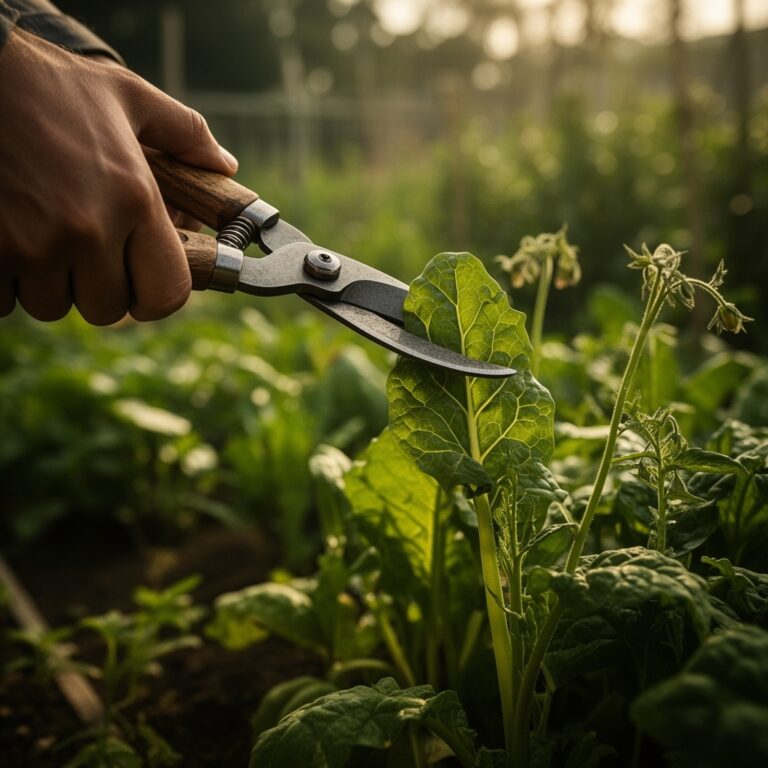
Wait until the stem dries and the rind resists thumbnail puncture. Cut with one inch of stem attached using pruning shears, leaving fruits to cure on the vine if frost is not imminent.