9 Long-Term Steps to Prepare a Sustainable Food Production Garden
The first shovel strike into compacted clay, the faint smell of decomposing leaf litter, and the cool weight of soil in your palm mark the beginning of transformation. Learning how to prepare a garden for a sustainable vegetable garden requires understanding soil biology, nutrient cycling, and succession planting. This process begins months before the first seed germinates, building fertility through layered amendments and microbial partnerships that persist for years.
Materials
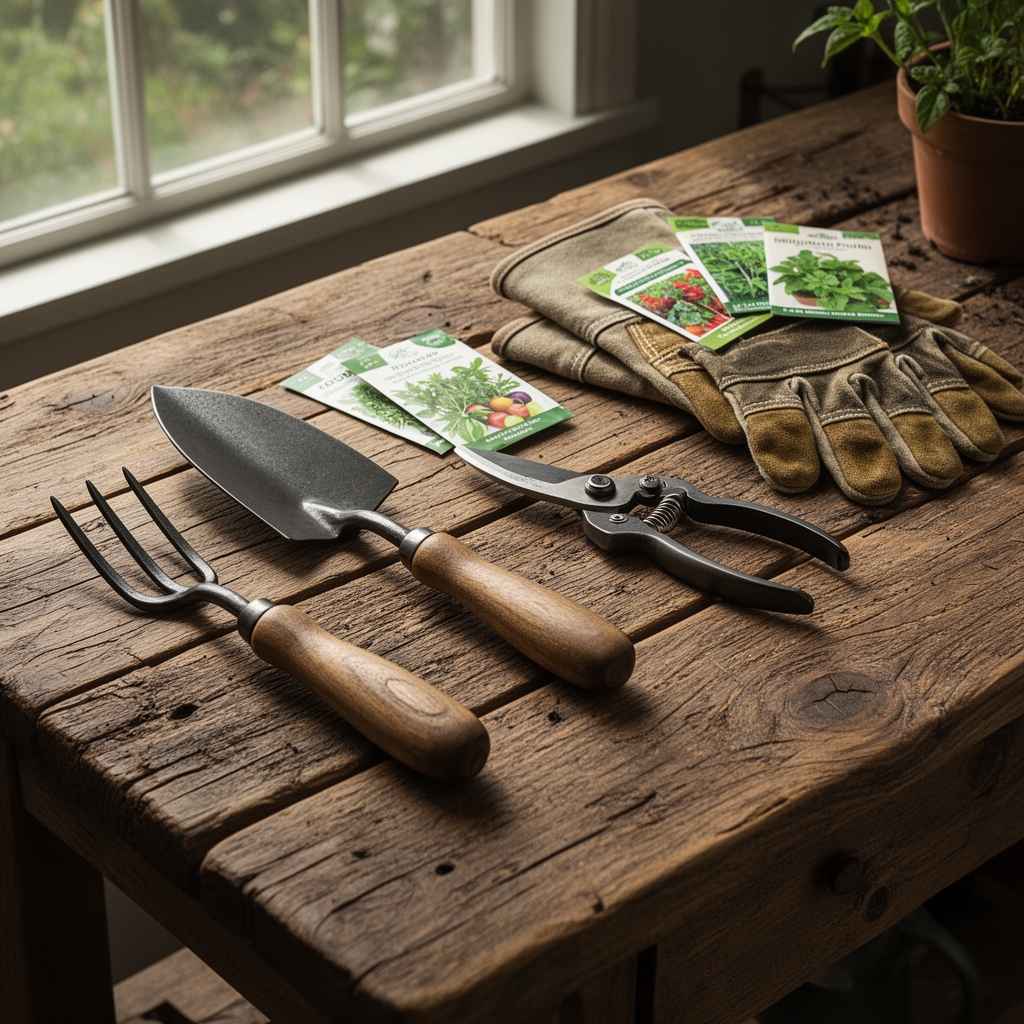
Amendments organize by their chemical signatures. Well-aged cattle manure (approximate NPK 0.5-0.3-0.5) provides slow-release nitrogen and improves cation exchange capacity. Alfalfa meal (2.5-0.5-2.5) delivers triacontanol, a natural growth stimulant. Rock phosphate (0-3-0) unlocks over 30 months, feeding fruiting crops in year two and beyond. Greensand (0-0-3) supplies potassium and trace minerals including iron and magnesium. Sulfur powder lowers pH by 0.5 to 1.0 points per 100 square feet when tilled to 6 inches. Agricultural lime (calcium carbonate) raises pH at similar rates but requires four months to stabilize. Mycorrhizal inoculant (endo and ecto species blends) colonizes root hairs within 14 days under moist conditions. Compost aged 12 months to thermophilic completion (temperatures exceeding 131°F) eliminates weed seeds and pathogens while harboring beneficial actinomycetes.
Timing
Soil preparation aligns with hardiness zones and frost calendars. Zone 5 gardeners begin amendments in late September, allowing freeze-thaw cycles to break down organic matter. Zone 7 sites benefit from November applications, capitalizing on winter rainfall to leach salts and integrate minerals. Final tillage occurs 4 weeks before the last spring frost date. This interval permits soil structure to resettle, preventing seed burial in loose aggregates. Fall-planted cover crops like winter rye or hairy vetch germinate when soil temperatures hold between 50°F and 65°F. They produce 3 to 5 tons of biomass per acre before spring termination. Terminate cover crops 3 weeks before planting warm-season vegetables to allow decomposition gases to dissipate.
Phases

Soil Testing and Amendment Integration (Month 1-2)
Collect samples from 6-inch depth at five random points. Mail to a university extension lab requesting organic matter percentage, pH, phosphorus (Bray-1 method), potassium, and micronutrient panel. Results guide precise amendments. Broadcast materials evenly, then incorporate with a broadfork to 8 inches, preserving soil strata. Avoid rototilling below 4 inches to protect fungal networks.
Pro-Tip: Apply mycorrhizal inoculant directly into transplant holes at 1 teaspoon per plant rather than broadcasting. Root contact accelerates colonization by 40 percent.
Cover Cropping and Green Manure (Month 3-5)
Seed a polyculture: 60 percent cereal rye, 30 percent hairy vetch, 10 percent crimson clover. Rye sequesters residual nitrogen, preventing leaching. Vetch fixes atmospheric nitrogen via rhizobium bacteria, contributing 100 to 150 pounds per acre. Crimson clover attracts early pollinators and adds phosphorus-solubilizing root exudates. Mow at 50 percent flowering before seed set. Allow clippings to desiccate for 10 days, then incorporate shallowly.
Pro-Tip: Roll or crimp cover crops at the boot stage instead of mowing. Stems form a weed-suppressing mat while roots decay in place, feeding soil fauna without disturbing structure.
Bed Shaping and Pathways (Month 6)
Form raised beds 4 feet wide and 8 inches tall using the excavated soil from 18-inch pathways. Beds warm 5°F faster in spring and drain efficiently during heavy rain. Rake surfaces smooth, breaking clods larger than a golf ball. Install drip tape 2 inches below the surface on 12-inch centers for row crops or 18-inch centers for sprawling plants. Mulch pathways with 4 inches of arborist wood chips to suppress weeds and harbor ground beetles that predate slug eggs.
Pro-Tip: Orient beds north-south. Equitable sun exposure reduces auxin concentration on shaded sides, preventing legginess in crops like tomatoes and peppers.
Troubleshooting
Blossom End Rot (Calcium Deficiency)
Symptom: Sunken, leathery black lesions on tomato and pepper fruits.
Solution: Apply calcium sulfate (gypsum) at 2 pounds per 100 square feet. Maintain consistent soil moisture to facilitate calcium uptake. Avoid high-nitrogen fertilizers that promote vegetative growth at the expense of calcium transport.
Damping-Off (Pythium and Rhizoctonia)
Symptom: Seedling stems constrict at soil line, toppling within 24 hours.
Solution: Sow seeds in sterilized seed-starting mix, not garden soil. Water from below using capillary mats. Increase air circulation with a low-speed fan.
Iron Chlorosis
Symptom: Youngest leaves yellow while veins remain green, common in alkaline soils above pH 7.5.
Solution: Apply chelated iron (Fe-EDDHA) as a foliar spray at 0.5 ounces per gallon. Amend soil with sulfur to gradually lower pH.
Maintenance
Irrigate to maintain soil moisture at field capacity, approximately 1 to 1.5 inches per week including rainfall. Install a rain gauge to track inputs. Side-dress heavy feeders like squash and corn with compost at 0.5 inches depth every 4 weeks. Mulch beds with 2 inches of straw after soil warms to 60°F to conserve moisture and regulate temperature. Hand-pull weeds before they bolt. Scout for pests twice weekly at dawn when insects are sluggish.
FAQ
When should I start preparing soil for a spring garden?
Begin 6 months prior in fall. Amendments and cover crops require time to decompose and integrate.
How deep should I till new garden soil?
Till no deeper than 4 to 6 inches. Deeper disturbance destroys fungal networks and buries topsoil.
Can I plant immediately after tilling?
Wait 3 to 4 weeks. Soil needs time to resettle and decomposition gases to escape.
What is the ideal soil pH for vegetables?
Most vegetables thrive between pH 6.0 and 6.8. Blueberries and potatoes prefer 4.5 to 5.5.
How often should I reapply compost?
Add 0.5 to 1 inch annually. Soil organic matter depletes 2 to 5 percent per year through mineralization.