9 Best Premium Mulch for Professional Property Landscaping
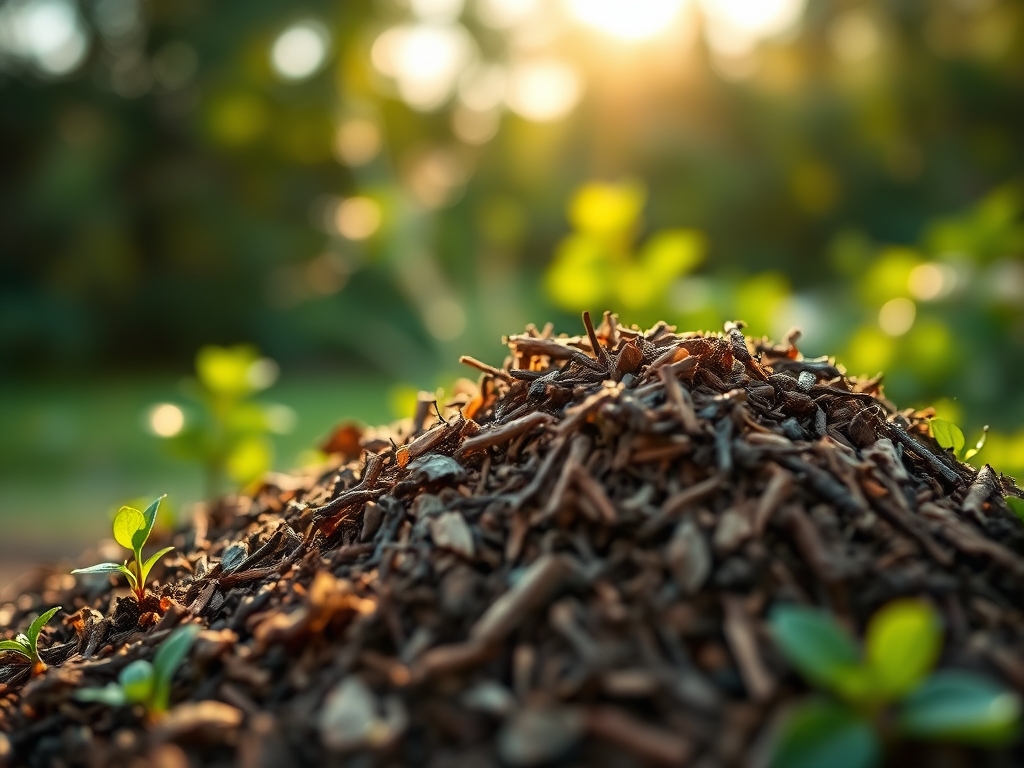
The smell of damp earth and the sharp, resinous scent of freshly shredded cedar signal the start of a high performance landscape installation. Proper moisture retention depends on maintaining turgor pressure within the plant vascular system; without a protective barrier, transpiration rates skyrocket and cellular collapse begins. Selecting the best mulch for property landscaping requires more than aesthetic preference. It is a calculated decision based on soil temperature regulation, the suppression of competitive weed species, and the long term contribution of organic matter to the rhizosphere. Professional grade mulching ensures that the soil surface remains permeable to oxygen while preventing the crusting that leads to hydrophobic runoff.
Materials:
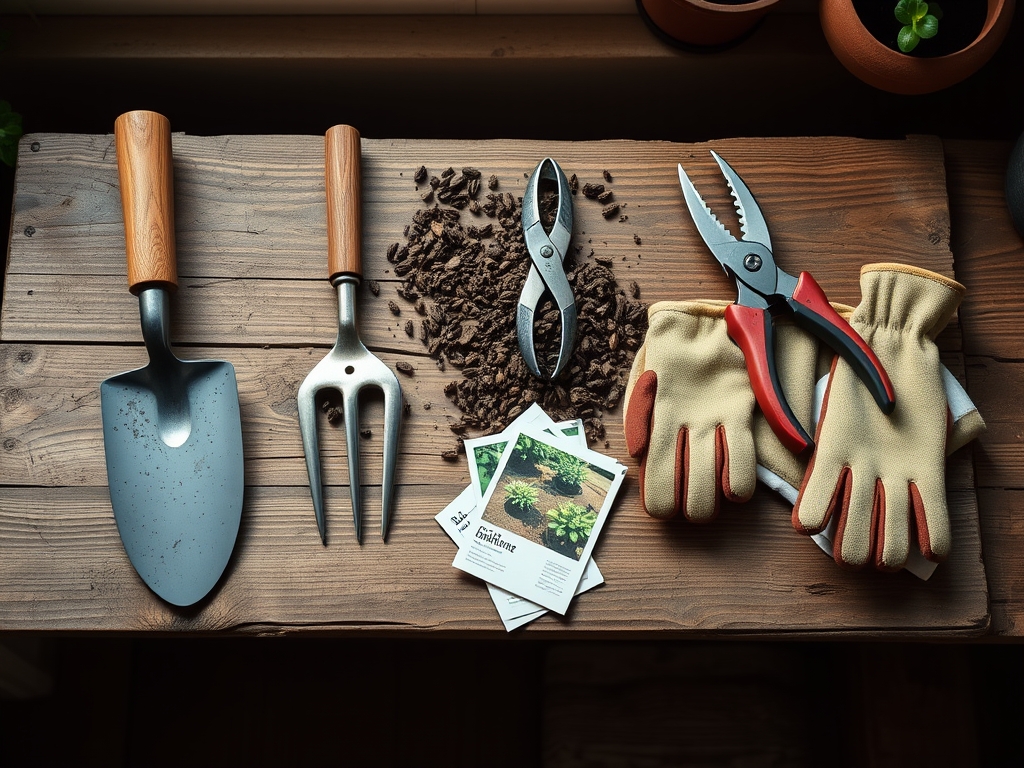
The ideal substrate for a professional installation is a friable loam with a Cation Exchange Capacity (CEC) between 15 and 25 milliequivalents per 100 grams. Selecting the best mulch for property landscaping depends on the targeted soil pH and existing NPK ratios.
- Triple-Shredded Hardwood: Best for neutral to slightly alkaline soils (pH 6.5 to 7.5). It provides a balanced breakdown but can temporarily lock up nitrogen (N) as microbes work to decompose high carbon wood fibers.
- Pine Bark Nuggets: Ideal for acid loving species like Rhododendron or Vaccinium. These maintain a pH range of 4.5 to 5.5 and have a high lignin content that resists rapid decomposition.
- Hemlock Bark: Contains natural tannins that act as a biological deterrent to certain fungi. It typically offers a balanced NPK contribution of 0.5-0.1-0.2 as it breaks down.
- Pine Needles (Pine Straw): Excellent for slopes due to interlocking needles. It does not significantly alter pH despite common myths, but it provides superior aeration for the root zone.
- Arborist Wood Chips: High in cellulose and diverse fungal spores. These are best for established woody perennials where a 3:1 Carbon to Nitrogen ratio is acceptable.
- Coco Coir Nuggets: Boasts a neutral pH and exceptional water holding capacity. It is chemically inert and does not leach salts if processed correctly.
- Composted Leaf Mold: The highest nutrient value mulch. It provides a rich source of humic acid and immediate bioavailability of micronutrients.
- Salt Hay: Used primarily in vegetable transitions or for winter protection of crowns. It is seedless and prevents the transmission of soil borne pathogens.
- Stone Mulch (River Rock): Used for heat retention in xeriscaping. It provides zero nutritional value but stabilizes soil temperatures in specific microclimates.
Timing:
Timing is dictated by the Hardiness Zone and local frost dates. In Zones 5 through 7, the primary mulching window opens after the first hard frost in autumn to insulate the root zone, or in late spring once the soil temperature consistently reaches 55 degrees Fahrenheit. Applying mulch too early in the spring traps cold moisture against the roots, which can delay the biological clock of the plant. This transition from the dormant phase to the vegetative stage requires the soil to warm sufficiently to trigger the production of gibberellins. If the soil remains insulated and cold, the plant may experience a delayed bud break, missing the optimal photoperiod for early season growth.
Phases:

Sowing and Seedbed Preparation
When sowing seeds or managing a nursery bed, mulch must be fine textured. A thin layer of screened compost or aged sawdust prevents soil crusting, which can impede the emergence of delicate hypocotyls. The depth should not exceed 0.25 inches for small seeds.
Pro-Tip: Utilize thin mulch to manage phototropism; by blocking light from weed seeds while allowing enough warmth for the primary crop, you ensure the desired seedlings dominate the canopy without competition for light.
Transplanting and Initial Layering
During the transplanting phase, ensure the root ball is set at the correct depth before applying the best mulch for property landscaping. Leave a 3 inch gap between the mulch and the trunk or stem of the plant. This prevents the development of adventitious roots in the mulch layer rather than the soil.
Pro-Tip: Maintaining a gap prevents auxin suppression and trunk rot; keeping the flare dry ensures the plant directs its hormonal energy toward downward root expansion rather than superficial lateral growth.
Establishing the Landscape
Once plants have reached the establishment phase, increase mulch depth to 3 inches. This layer acts as a thermal blanket, stabilizing the rhizosphere against diurnal temperature fluctuations. For large scale property landscaping, the focus shifts to long term soil structure and the promotion of mycorrhizal symbiosis.
Pro-Tip: Organic mulches encourage mycorrhizal symbiosis by providing the carbon source necessary for fungal hyphae to thrive, which in turn increases the plant's phosphorus uptake by up to 300 percent.
The Clinic:
Physiological disorders often stem from improper mulching techniques or material choices. Monitor the following symptoms to diagnose issues within the landscape.
- Symptom: Yellowing of lower leaves (Chlorosis) while veins remain green.
- Cause: Nitrogen drawdown. High carbon mulches (like fresh sawdust) consume available nitrogen to decompose.
- Fix-It: Apply a high nitrogen liquid fertilizer (NPK 10-0-0) or blood meal to the soil surface before re-mulching.
- Symptom: Slime mold or "Dog Vomit" fungus appearing on the mulch surface.
- Cause: Excessive moisture and lack of airflow in hardwood mulches.
- Fix-It: Use a hori-hori knife to break up the fungal mat and incorporate oxygen; reduce irrigation frequency.
- Symptom: Rapid wilting despite wet mulch.
- Cause: Root rot or Phytophthora. Mulch is piled too high against the stem (mulch volcanoes).
- Fix-It: Pull mulch back 4 to 6 inches from the base of the plant to allow the root flare to breathe.
Maintenance:
Professional maintenance requires precision. Use a soil moisture meter to ensure the root zone receives 1.5 inches of water per week at the drip line. Mulch should be "fluffed" twice per season using a garden fork to prevent the formation of a hydrophobic mycelial mat. When weeds do emerge, use a hori-hori knife to extract the entire taproot, ensuring no meristematic tissue remains. Pruning of dead or senescing branches should be done with sharp bypass pruners to ensure clean vascular cuts that heal quickly without the need for sealants.
The Yield:
For landscapes incorporating edible perennials or flowers, harvest timing is critical for post-harvest longevity. Harvest in the early morning when turgor pressure is at its peak. This ensures the cells are fully hydrated. Use a sharp blade to minimize tissue damage at the site of the cut. To maintain "day-one" freshness, immediately plunge the stems into 40 degree Fahrenheit water to slow the rate of respiration and delay senescence. This thermal shock stabilizes the plant's metabolic rate and preserves essential oils and sugars.
FAQ:
How deep should I apply mulch for best results?
Maintain a depth of 2 to 3 inches for most applications. This thickness provides optimal moisture retention and weed suppression without suffocating the soil or preventing oxygen exchange within the rhizosphere.
Can mulch change the pH of my soil?
Most organic mulches have a negligible effect on soil pH over the short term. However, consistent use of pine bark or peat-based mulches can slightly acidify the top layer of soil over several years as organic acids leach downward.
What is the best mulch for preventing weeds?
A dense, double-shredded hardwood mulch is most effective. It knits together to form a physical barrier that prevents sunlight from reaching weed seeds, while its high carbon content makes the surface inhospitable for new wind-blown seeds.
When is the best time to refresh property mulch?
Refresh mulch in late spring after the soil has warmed to 55 degrees Fahrenheit. This timing ensures you do not trap winter cold in the ground, allowing for a smooth transition into the vegetative growth phase.