8 Space-Saving Steps to Prepare a Balcony Vegetable Garden
Growing food in 30 square feet of balcony space requires precision from the first hour you assess weight load to the final transplant. How to prepare a garden for a balcony vegetable garden begins with structural evaluation: most residential balconies support 50-60 pounds per square foot, and a saturated 5-gallon container weighs 45 pounds. Calculate total load before purchasing containers. Measure sun exposure with a timer across one full day. Six hours of direct light supports fruiting crops like tomatoes and peppers. Four hours sustains leafy greens and herbs. The preparation sequence determines whether roots establish in 14 days or languish for six weeks.
Materials
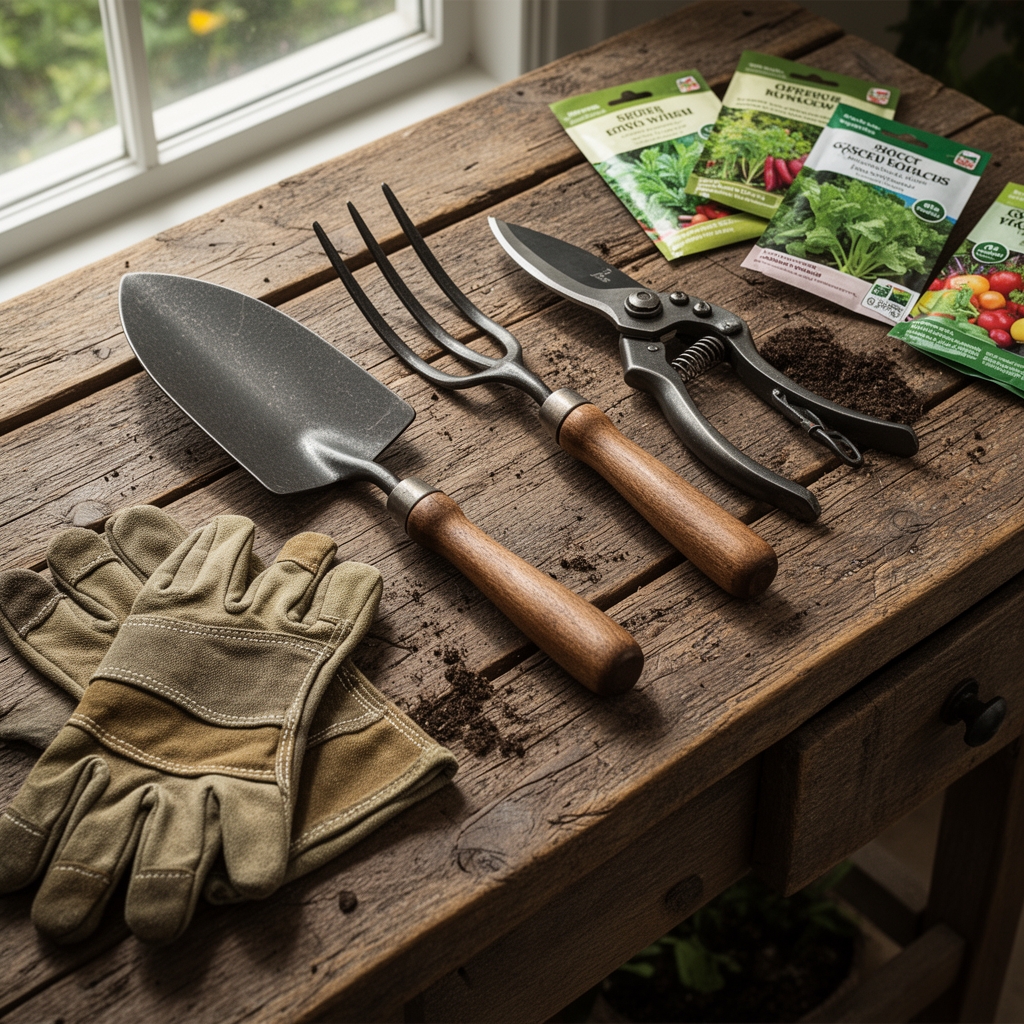
Containers: Food-grade plastic or glazed ceramic pots with drainage holes. Minimum 12 inches deep for determinate tomatoes, 8 inches for lettuce, 6 inches for radishes. Fabric grow bags increase oxygen to roots and prevent circling.
Growing Medium: Soilless mix maintains pH 6.0-6.8. Combine 40% peat moss or coco coir, 30% perlite, 20% compost, and 10% vermiculite. Avoid garden soil; compaction restricts root expansion in containers. Cation exchange capacity above 10 meq/100g retains nutrients without waterlogging.
Fertilizer: Balanced organic blend at 4-4-4 NPK ratio for establishment. Transition to 5-10-10 when flowers form on fruiting plants. Fish emulsion provides nitrogen at 5-1-1 for leafy greens every 14 days. Kelp meal supplies trace minerals and cytokinins that regulate cell division.
Amendments: Mycorrhizal fungi inoculant (Glomus intraradices) colonizes roots within 21 days, extending phosphorus uptake radius by 10-fold. Dolomitic lime adjusts pH upward by 0.5 units per tablespoon per gallon of media. Sulfur lowers pH when necessary.
Irrigation: Drip emitters or self-watering reservoirs reduce frequency to twice weekly. Standard watering cans work but demand daily attention in temperatures above 80°F.
Timing
Hardiness zone dictates planting windows. Zone 7 gardeners transplant tomatoes after May 1 when soil temperature reaches 60°F. Zone 9 allows year-round cultivation of cool-season crops like kale and chard.
Consult USDA last frost date for your zip code. Sow warm-season seeds indoors 6-8 weeks prior. Cool-season crops tolerate light frost; direct-sow spinach and peas 4 weeks before last frost. Succession planting every 2 weeks extends harvest from June through October for bush beans and lettuce.
Container temperatures fluctuate 15-20°F more than ground beds. Black pots absorb radiation and may overheat roots above 85°F, triggering auxin degradation and stunted growth. Light-colored containers or shade cloth mitigate thermal stress.
Phases
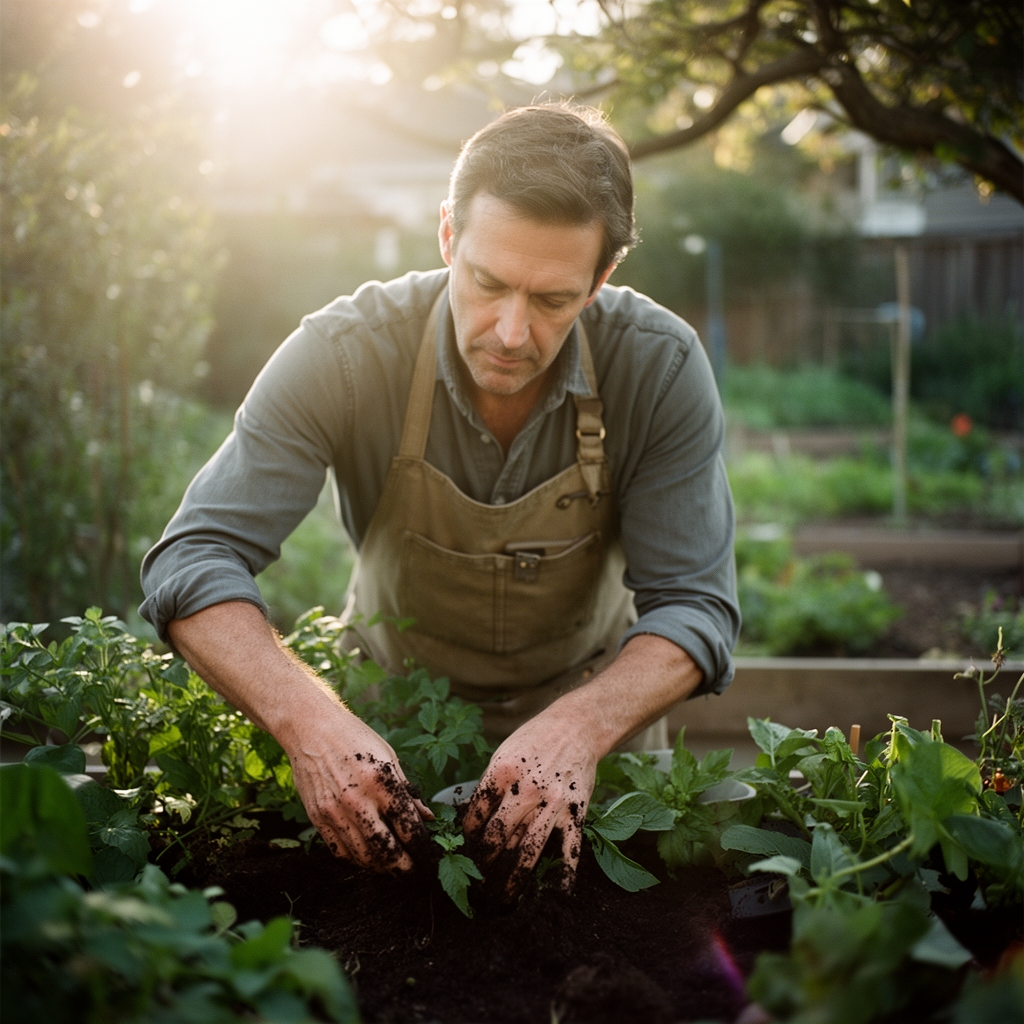
Step 1: Structural Assessment
Verify balcony load rating with building management. Distribute weight along load-bearing walls and support beams. Place heaviest containers near the building. Install rubber pads under pots to prevent abrasion and improve drainage.
Pro-Tip: Photograph balcony railing spacing and measure gaps. Containers narrower than gaps risk tipping; secure with adjustable brackets rated for outdoor use.
Step 2: Container Preparation
Drill additional 0.5-inch drainage holes if fewer than one hole per 4 inches of diameter exists. Layer 1 inch of coarse gravel at the base. This prevents media from clogging holes while maintaining aerobic conditions for roots.
Pro-Tip: Soak terracotta pots in water for 2 hours before filling. Dry clay wicks moisture from media, creating uneven hydration during the first week.
Step 3: Media Mixing
Blend components in a clean tub. Moisten mix until a handful drips 2-3 drops when squeezed. Overly dry media repels water; overly wet media compacts and excludes oxygen. Fill containers to 1 inch below rim to prevent overflow during irrigation.
Pro-Tip: Incorporate mycorrhizal inoculant at 1 teaspoon per gallon of media. Apply directly to root zone rather than broadcasting across surface. Fungal hyphae require contact with root exudates to initiate symbiosis.
Step 4: Seedling Transplant
Harden off seedlings by exposing them to outdoor conditions for 1 hour daily, increasing by 1 hour over 7 days. Transplant during overcast afternoon to reduce transplant shock. Bury tomato stems up to first true leaves; adventitious roots form along buried stem, doubling root mass within 10 days.
Pro-Tip: Pinch off lowest leaf sets before transplanting. This reduces fungal contact points and redirects energy to root establishment rather than foliage maintenance.
Step 5: Spacing Optimization
Vertical trellising saves 60% of horizontal space. Install 6-foot stakes or cage systems at planting time to avoid root disturbance later. Train indeterminate tomatoes to single leader by pruning suckers at 45-degree angle when they reach 2 inches.
Step 6: Mulch Application
Spread 1 inch of straw or shredded leaves across media surface. Mulch moderates temperature swings by 10°F and reduces evaporation by 30%. Keep mulch 2 inches from stems to prevent collar rot.
Step 7: Initial Watering
Saturate media until water streams from drainage holes. This collapses air pockets and ensures root-to-media contact. Empty saucers within 30 minutes to prevent anaerobic conditions that favor Pythium root rot.
Step 8: Windbreak Installation
Balconies above the third floor experience wind speeds 40% higher than ground level. Wind desiccates foliage and snaps brittle stems. Attach perforated plastic or shade cloth to railings. Maintain 50% porosity to reduce wind speed without creating sail effect.
Troubleshooting
Symptom: Yellowing lower leaves with green veins.
Solution: Iron deficiency induced by pH above 7.0. Drench with chelated iron at 1 tablespoon per gallon. Adjust pH to 6.5 with sulfur.
Symptom: Blossom end rot on tomatoes and peppers.
Solution: Calcium deficiency from irregular watering. Maintain consistent moisture. Side-dress with gypsum at 2 tablespoons per 5-gallon container.
Symptom: White powdery coating on leaf surfaces.
Solution: Powdery mildew thrives in humidity above 70% with poor air circulation. Spray with 1 part milk to 9 parts water every 7 days. Increase spacing between pots.
Symptom: Stunted growth with purplish leaf undersides.
Solution: Phosphorus deficiency common in cold media below 55°F. Warm containers by moving to sun-exposed area. Apply 5-10-10 fertilizer at half strength.
Symptom: Holes in leaves with slime trails.
Solution: Slugs hide in mulch and container rims. Handpick at dawn. Apply diatomaceous earth barrier 0.25 inch wide around stems.
Maintenance
Water when top 1 inch of media feels dry to touch. Most containers require 0.5 gallon per 5-gallon pot daily in peak summer. Self-watering systems maintain consistent moisture but monitor reservoir levels every 3 days.
Feed every 14 days with liquid fertilizer at label rate. Excessive nitrogen produces lush foliage but delays fruiting. Reduce feeding frequency by half once fruit set begins.
Prune determinate tomatoes minimally. Remove only damaged or diseased leaves. Indeterminate varieties benefit from weekly sucker removal to concentrate energy in main stem and fruit production.
Rotate containers 90 degrees weekly to ensure even light exposure. Plants lean toward light source; rotation maintains upright growth and prevents unbalanced weight distribution.
Inspect leaf undersides twice weekly for aphids, whiteflies, and spider mites. Early detection allows control with strong water spray before populations explode.
FAQ
How deep do containers need to be for tomatoes?
Determinate varieties require 12-inch depth. Indeterminate types perform best in 18-inch containers with 5-gallon capacity. Root systems extend to container boundaries within 30 days.
Can I reuse potting mix next season?
Yes, but amend first. Remove old roots and debris. Mix in 25% fresh compost and 10% perlite to restore structure. Test pH and adjust to 6.0-6.8 range before replanting.
What vegetables grow fastest on balconies?
Radishes mature in 25 days, lettuce in 30 days, bush beans in 50 days. Succession plant every 2 weeks for continuous harvest from June through September.
How often should I fertilize container vegetables?
Every 14 days with balanced liquid fertilizer at half strength. Container media lacks the nutrient reserves of ground soil. Frequent light feeding prevents salt accumulation and burn.
Do balcony gardens need pest control?
Fewer pests colonize balconies above ground level, but aphids and whiteflies still appear. Yellow sticky traps monitor populations. Insecticidal soap controls soft-bodied insects without harming beneficial species.