8 Foraging Steps to Prepare a Sustainable Wild Vegetable Garden
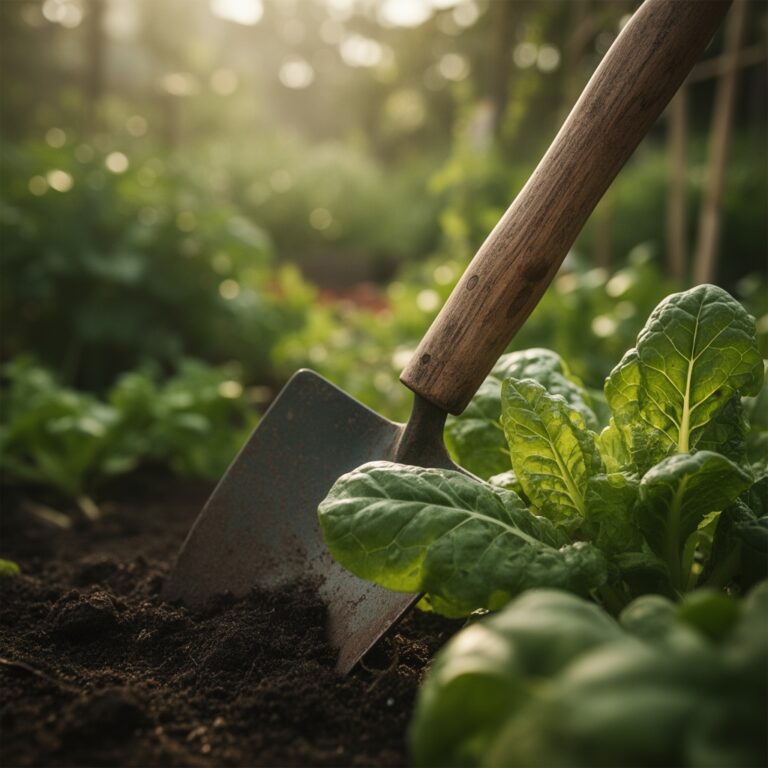
The black soil crumbles between your fingers, releasing the earthy scent of decayed oak leaves and last season's frost-damaged roots. Learning how to prepare a garden for a wild vegetable garden begins with understanding that domestication flows backward here. You are not imposing order on chaos but creating conditions where native species like ramps, nettles, and chickweed reclaim their ecological niche. The shovel breaks ground in late winter, when soil temperature hovers at 38°F and earthworm activity signals microbial awakening.
Materials
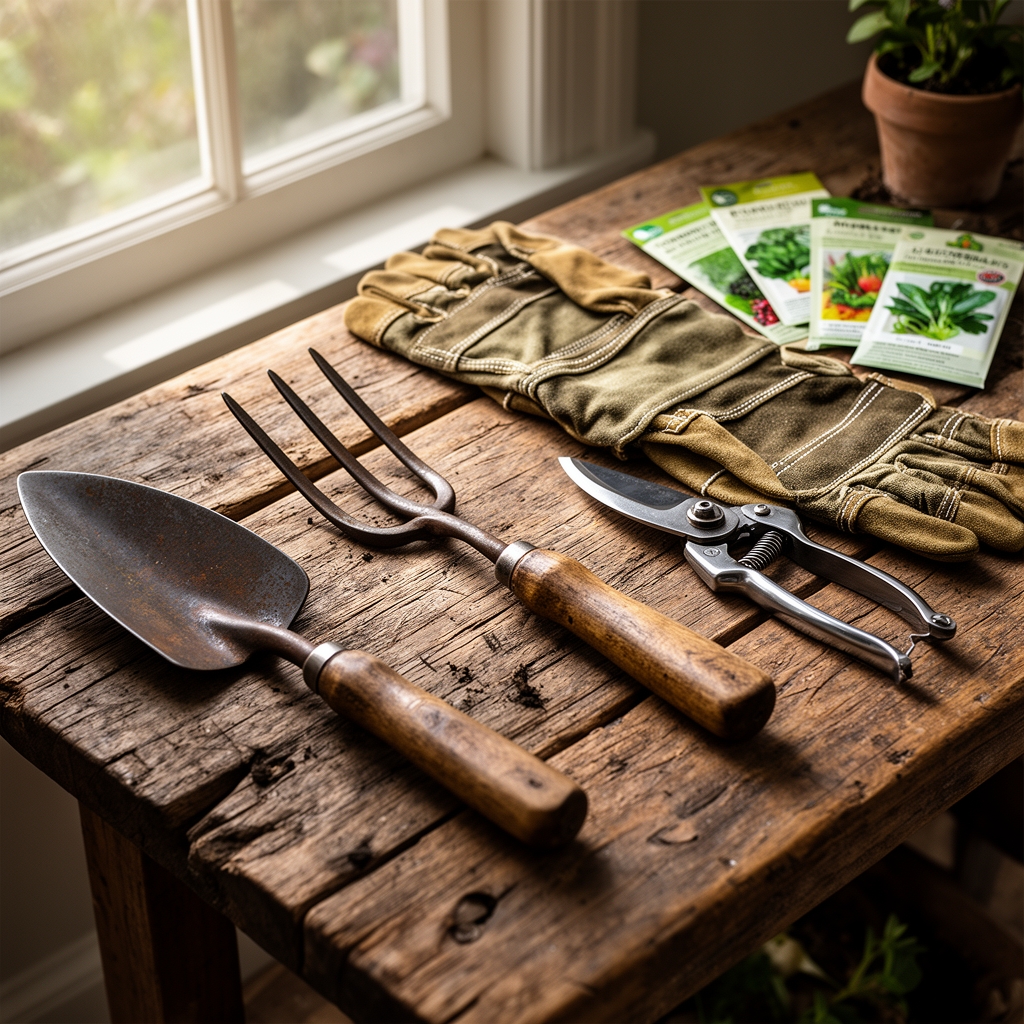
Assemble materials based on your baseline soil pH and existing cation exchange capacity. For acidic woodland species (pH 5.2-6.0), procure composted pine bark, sulfur granules at 2 pounds per 100 square feet, and a 4-4-4 organic fertilizer blended from feather meal, bone meal, and kelp. If targeting alkaline-tolerant wild vegetables like purslane or lamb's quarters (pH 6.5-7.5), source dolomitic limestone at 5 pounds per 100 square feet and a balanced 5-5-5 formula with added calcium.
Purchase mycorrhizal fungi inoculant containing Rhizophagus irregularis at 0.5 ounces per cubic foot of amended soil. Wild species evolved symbiotically with these fungi, which extend auxin distribution throughout root zones and improve phosphorus uptake by 300 percent compared to uninoculated systems. Obtain leaf mold aged at least 18 months for moisture retention without nitrogen tie-up. Secure hardware cloth (1/4-inch mesh) to exclude voles and a broadfork for deep aeration without inversion.
Timing
How to prepare a garden for a wild vegetable garden depends entirely on your USDA Hardiness Zone and last frost date. In Zones 3-5, begin site preparation 6 weeks before the last spring frost, typically mid-March through April. Zones 6-7 allow for earlier starts in late February. Zones 8-10 offer a fall preparation window from October through November, aligning with natural seed dispersal cycles of native annuals.
Ramps (Allium tricoccum) require autumn planting between September 15 and October 30 when soil temperature drops below 55°F, triggering stratification requirements. Nettles (Urtica dioica) establish best from root divisions in early spring when soil reaches 42°F. Chickweed (Stellaria media) self-sows aggressively if bed preparation concludes by late winter, allowing seeds to cold-stratify naturally through March temperature fluctuations.
Phases
Sowing Phase
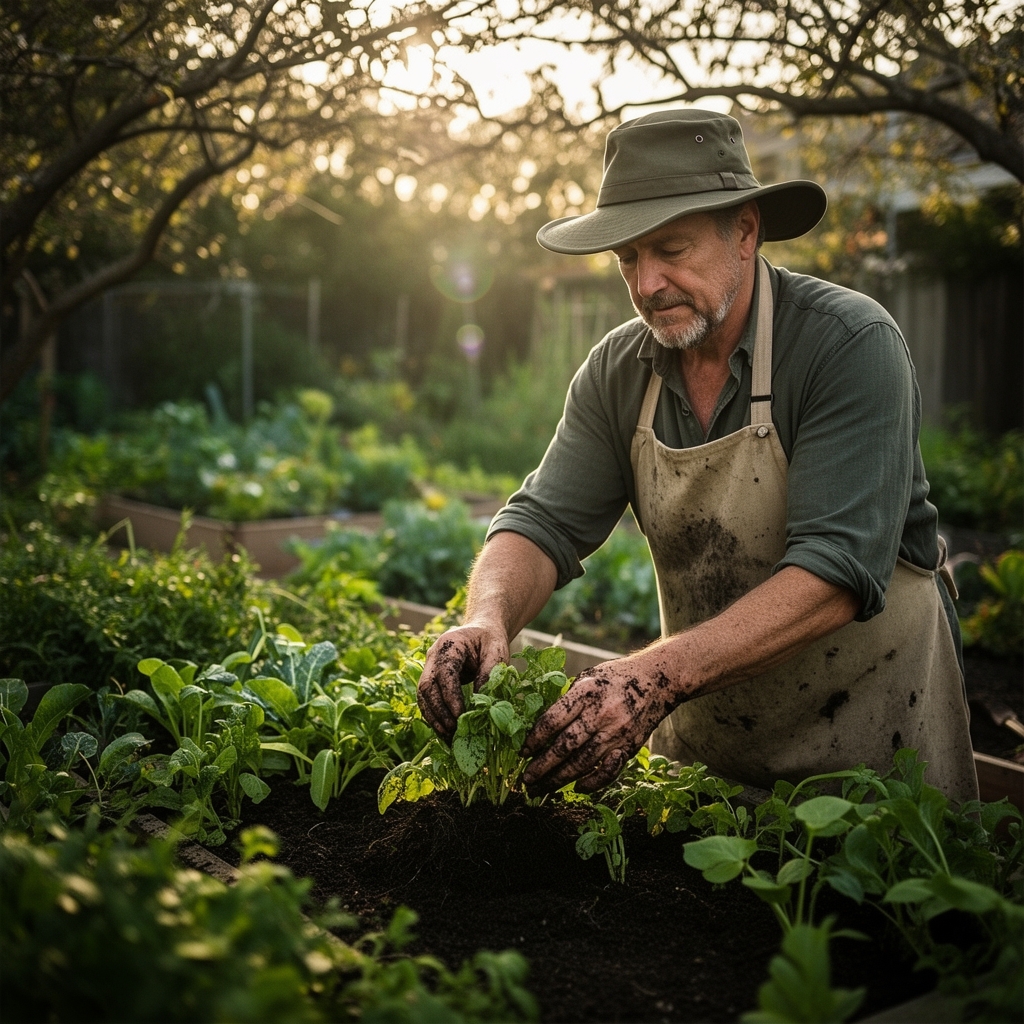
Clear existing vegetation using a sharp spade to remove turf in 2-inch-thick sections. Avoid rototilling, which destroys soil structure and buries weed seeds at optimal germination depth. Spread 3 inches of leaf mold across the bed surface. Broadcast mycorrhizal inoculant at labeled rates. Use the broadfork at 12-inch intervals, driving tines to full depth and rocking handles backward 15 degrees to create air channels without mixing horizons.
Pro-Tip: Apply inoculant during overcast conditions when UV radiation measures below 3 on the UV index. Direct sunlight kills 60 percent of fungal spores within 20 minutes of exposure.
Transplanting Phase
Source wild vegetable starts from ethical wildcrafters or specialty nurseries. Dig planting holes twice the root ball diameter. Amend backfill with 1 part compost to 3 parts native soil, maintaining familiar microbial communities. Position transplants at identical depth to their nursery containers. Firm soil with moderate pressure, eliminating air pockets that desiccate fine root hairs.
Water immediately with 1 gallon per plant, delivering moisture directly to the root zone. Install temporary shade cloth providing 40 percent light reduction for 10 days post-transplant, reducing transpiration stress during establishment.
Pro-Tip: Prune any circling roots at 45-degree angles before transplanting. This stimulates lateral root development and prevents girdling as plants mature.
Establishing Phase
Monitor soil moisture with a probe inserted 4 inches deep. Wild vegetables require consistent moisture at 60-70 percent of field capacity during the first 90 days. Apply 2 inches of shredded hardwood mulch, maintaining a 3-inch gap around plant crowns to prevent crown rot from excessive humidity.
Thin seedlings to species-appropriate spacing: nettles at 18-inch centers, chickweed at 6-inch centers, ramps at 4-inch centers. Thinned material provides immediate harvest while reducing competition for soil nutrients.
Pro-Tip: Inoculate thinning wounds with willow water (a natural rooting hormone containing salicylic acid) by soaking 1 cup of chopped willow stems in 1 gallon of water for 48 hours. Apply as a soil drench at 1 cup per plant.
Troubleshooting
Symptom: Yellowing lower leaves with green veins (interveinal chlorosis).
Solution: Iron deficiency induced by high pH. Apply chelated iron at 1 tablespoon per gallon of water as a foliar spray. Adjust soil pH downward with elemental sulfur at 1 pound per 100 square feet.
Symptom: Wilting despite adequate soil moisture.
Solution: Root aphid infestation compromising vascular function. Drench soil with insecticidal soap diluted to 2 percent concentration. Repeat at 7-day intervals for three applications.
Symptom: Brown leaf margins and tip burn.
Solution: Excess soluble salts from over-fertilization. Leach soil with 2 gallons of water per square foot. Reduce fertilizer applications by 50 percent.
Symptom: Stunted growth and purple-tinged foliage.
Solution: Phosphorus deficiency exacerbated by cold soil temperature below 50°F. Apply rock phosphate at 5 pounds per 100 square feet. Warm soil with black plastic mulch for 2 weeks before planting.
Maintenance
Apply 1 inch of water weekly during periods of no rainfall, measured with a rain gauge positioned at plant canopy height. Supplement with 0.5 inches during flowering and seed set to prevent premature bolting. Fertilize established beds annually in early spring with 2 pounds of 4-4-4 organic fertilizer per 100 square feet, scratched into the top 2 inches of soil.
Cut nettle foliage to 4 inches above the crown after the first flush in May, stimulating a second harvest by July. Allow 30 percent of plants to complete reproductive cycles, ensuring self-sowing for subsequent seasons. Remove invasive species like garlic mustard (Alliaria petiolata) by hand-pulling before seed set in June.
FAQ
How long until wild vegetables produce harvestable yields?
Perennials like ramps require 5-7 years to reach sustainable harvest density. Annual species like chickweed produce within 60 days of germination. Nettles yield cutting-worthy shoots by the second spring after establishment.
Can wild vegetable gardens coexist with traditional crops?
Yes, when designed as understory plantings beneath fruit trees or along north-facing borders. Maintain 24-inch buffer zones to prevent resource competition and facilitate air circulation.
What soil test values indicate readiness for wild vegetable cultivation?
Target organic matter content between 5-8 percent, phosphorus at 30-50 ppm, and potassium at 150-200 ppm. Cation exchange capacity should exceed 10 meq/100g for adequate nutrient retention.
Do wild vegetables require winter protection?
Native perennials tolerate temperatures to their zone minimums without protection. Apply 4 inches of straw mulch over ramp beds in Zone 4 and colder to prevent frost heaving.
How do you prevent aggressive spreaders from dominating the bed?
Install 12-inch-deep plastic edging barriers around mint family members. Harvest chickweed before flowering to limit seed dispersal. Divide nettle clumps every 3 years, removing 40 percent of root mass.