7 Low-Light Steps to Prepare a Fern Plant Shelf
Fern fronds unfurl slowly in the half-light beneath a forest canopy, their rhizomes threading through leaf mold and decaying wood. Indoors, recreating this environment demands precision. Learning how to prepare a plant shelf for ferns means matching light levels, humidity gradients, and substrate composition to the conditions these ancient plants evolved to exploit. Most failures stem from excess light and dry air rather than neglect. A properly prepared shelf functions as a microclimate chamber.
Materials
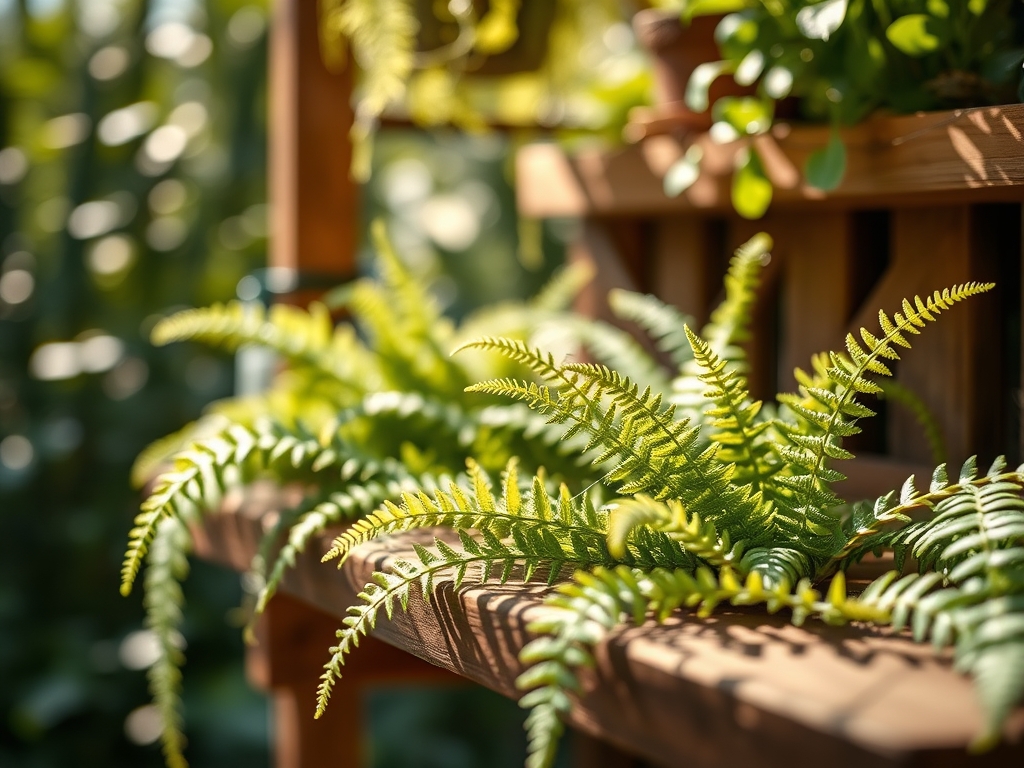
Select a shelf constructed from powder-coated steel or marine-grade plywood. Both resist moisture without off-gassing volatile organic compounds that damage fronds. Position it 6 to 8 feet from south-facing windows or under T5 fluorescent tubes rated at 6,500 Kelvin, providing 200 to 400 foot-candles. Avoid full-spectrum LED grow lights exceeding 600 foot-candles; excess photosynthetically active radiation causes frond chlorosis in shade-obligate species.
For substrate, combine 3 parts Canadian sphagnum peat moss (pH 3.5 to 4.0), 2 parts perlite (particle size 3 to 5 mm), and 1 part aged pine bark fines. Amend with a 4-4-4 organic fertilizer containing blood meal, bone meal, and kelp at 1 tablespoon per gallon of mix. This ratio supplies nitrogen for frond expansion while phosphorus supports rhizome development. Target final pH between 5.5 and 6.5.
Containers should be terra-cotta or glazed ceramic with drainage holes 12 mm in diameter. Plastic pots retain excessive moisture and promote Pythium root rot. Add a 1-inch layer of horticultural charcoal at the base to buffer pH and absorb metabolic byproducts.
Install a cool-mist humidifier capable of maintaining 60 to 80 percent relative humidity within 3 feet of the shelf. Evaporative models outperform ultrasonic types, which deposit mineral salts on fronds. Place a hygrometer at canopy height to monitor vapor pressure deficit.
Timing
In USDA Hardiness Zones 3 through 7, prepare the shelf between March 15 and April 30, aligning with the indoor growing season when ambient light increases and heating systems cycle less frequently. Zones 8 through 10 allow year-round preparation, though late September to early October minimizes thermal stress during establishment.
Ferns purchased as divisions require acclimation over 14 days. Gradually reduce watering frequency from twice daily to once every 48 hours, allowing roots to adjust cation exchange capacity. Spore-grown specimens need 18 to 24 months from germination to shelf readiness; their gametophyte stage demands sterile conditions incompatible with mixed plantings.
Phases

Sowing: If starting from spores, sterilize containers in a 10 percent bleach solution for 15 minutes. Fill with milled sphagnum to within 1 cm of the rim. Boil distilled water, cool to 65 degrees Fahrenheit, and saturate the medium. Scatter spores across the surface without covering them; they require light for germination. Seal containers in transparent plastic bags and maintain at 70 to 75 degrees Fahrenheit under 12 hours of diffuse light daily. Prothalli emerge in 4 to 8 weeks.
Pro-Tip: Inoculate sterilized medium with Rhizophagus irregularis spores at 10 propagules per cubic inch. This arbuscular mycorrhizal fungus colonizes roots, increasing phosphorus uptake efficiency by 40 percent in low-light conditions.
Transplanting: When rhizomes produce three fronds, transplant into 6-inch pots. Water 12 hours prior to reduce transplant shock. Remove the fern by inverting the container and tapping the base. Inspect roots for dark lesions indicating Phytophthora infection; discard affected plants. Position the crown 0.5 inches below the soil line to prevent desiccation. Firm substrate around roots without compressing it beyond 0.9 grams per cubic centimeter bulk density.
Pro-Tip: Apply rooting hormone containing 0.1 percent indole-3-butyric acid to severed roots. This auxin analog accelerates lateral root formation by 30 percent within 10 days.
Establishing: Place pots on the shelf with 8 to 12 inches between canopies to ensure air circulation. Mist fronds daily with distilled water at dawn to simulate dew. After 21 days, reduce misting to every 72 hours. Monitor new frond emergence; unfurling crosiers indicate successful establishment. Withhold fertilizer for 6 weeks to avoid salt accumulation in low-evaporation environments.
Pro-Tip: Rotate containers 90 degrees weekly. Unidirectional light causes asymmetric auxin distribution, producing lopsided crowns prone to toppling.
Troubleshooting
Symptom: Fronds turn yellow from the tip downward, with necrotic margins.
Solution: Excess light. Reduce foot-candles to 150 or introduce a sheer curtain filtering 50 percent of incident radiation.
Symptom: Brown, crispy frond edges despite adequate watering.
Solution: Low humidity or fluoride toxicity. Increase relative humidity above 65 percent and switch to distilled water; municipal supplies often contain 1 ppm fluoride, which accumulates in frond tips.
Symptom: White cottony masses on frond undersides.
Solution: Mealybugs (Planococcus citri). Dab insects with 70 percent isopropyl alcohol on cotton swabs. For severe infestations, spray insecticidal soap at 2 percent concentration every 5 days for three applications.
Symptom: Stunted rhizomes with black, mushy roots.
Solution: Pythium root rot from overwatering. Allow substrate to dry to 40 percent moisture by weight before rewatering. Drench remaining plants with a biofungicide containing Trichoderma harzianum at label rates.
Symptom: Pale green fronds with slow growth despite optimal light.
Solution: Nitrogen deficiency. Top-dress with 1 teaspoon of 10-5-5 water-soluble fertilizer per 6-inch pot monthly during active growth.
Maintenance
Water when the top 1 inch of substrate feels dry to the touch, typically every 4 to 6 days. Apply 0.5 cups per 6-inch pot until water drains from holes. Empty saucers within 30 minutes to prevent anaerobic conditions.
Fertilize every 8 weeks during spring and summer with a half-strength solution of 20-10-20 formulation. Dissolve 0.5 teaspoons per gallon of distilled water. Cease fertilization from November through February; reduced light limits nutrient uptake, and excess salts burn roots.
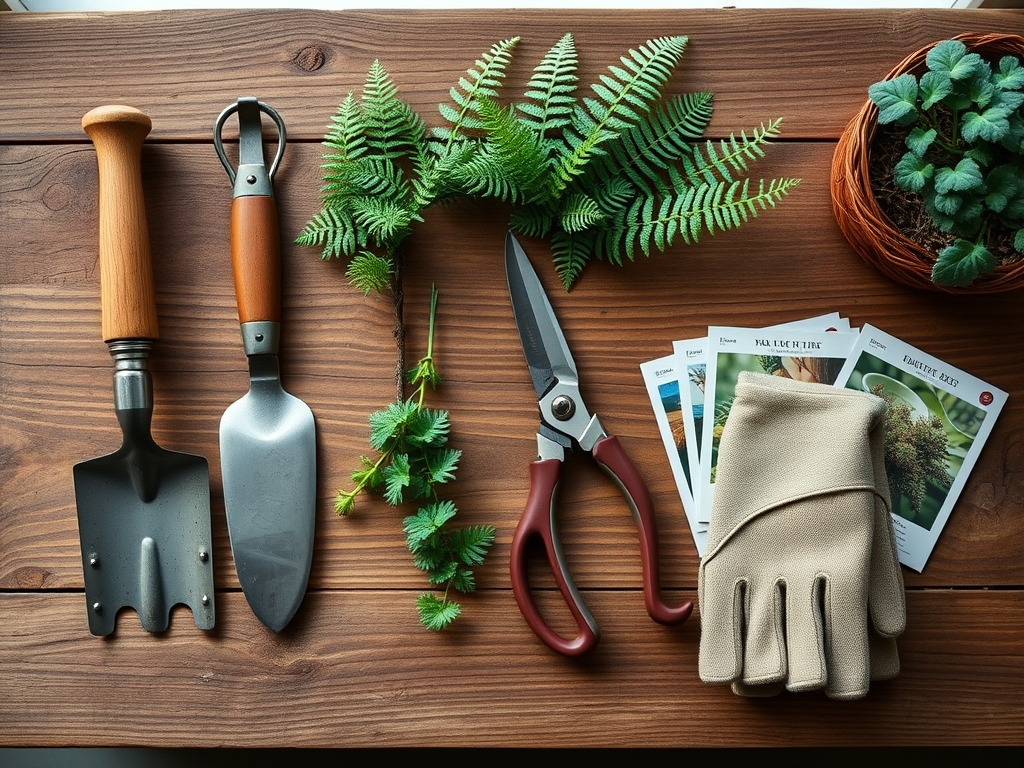
Prune dead fronds at the base using sterilized pruning shears angled at 45 degrees. Remove no more than 20 percent of total frond mass per session to avoid stressing the rhizome's carbohydrate reserves.
Repot every 18 to 24 months or when roots circle the container's interior twice. Schedule repotting for early spring before active growth resumes.
FAQ
What light intensity do ferns require indoors?
Most ferns thrive under 200 to 400 foot-candles, equivalent to bright indirect light. Species like Nephrolepis exaltata tolerate up to 500 foot-candles, while Adiantum types require 150 to 250.
Can ferns survive in bathrooms?
Yes, provided bathrooms have windows supplying 100+ foot-candles. The humidity from showers benefits most species, but ensure ventilation prevents stagnant air that encourages fungal pathogens.
How do I increase humidity without a humidifier?
Group ferns on trays filled with pebbles and 0.5 inches of water. Evaporation raises localized humidity by 10 to 15 percent. Ensure pot bases sit above water level.
Why are fronds turning brown despite daily watering?
Overwatering suffocates roots. Ferns need moist, not saturated, substrate. Test moisture 1 inch below the surface; water only when barely damp.
Do ferns need fertilizer in winter?
No. Reduced light during winter months slows photosynthesis and nutrient demand. Fertilizing during dormancy causes salt buildup and root damage.