6 Water-Stream Steps to Treat Aphids with Soap and Water
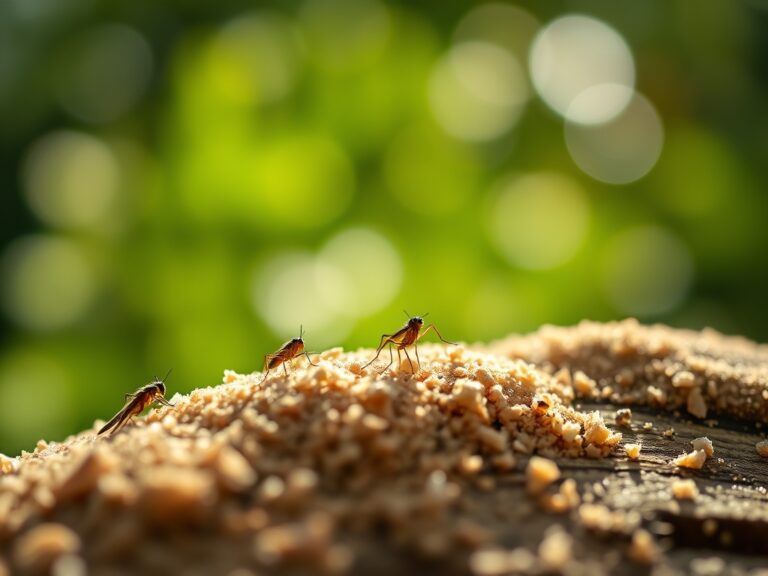
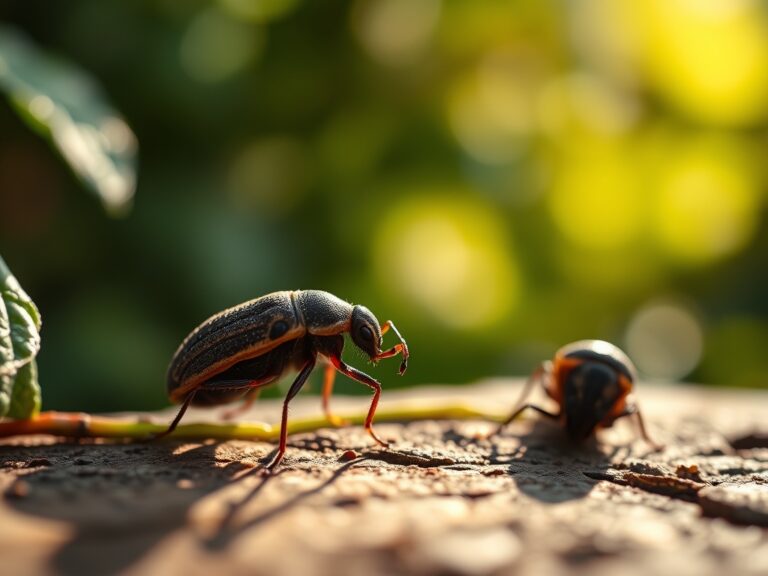
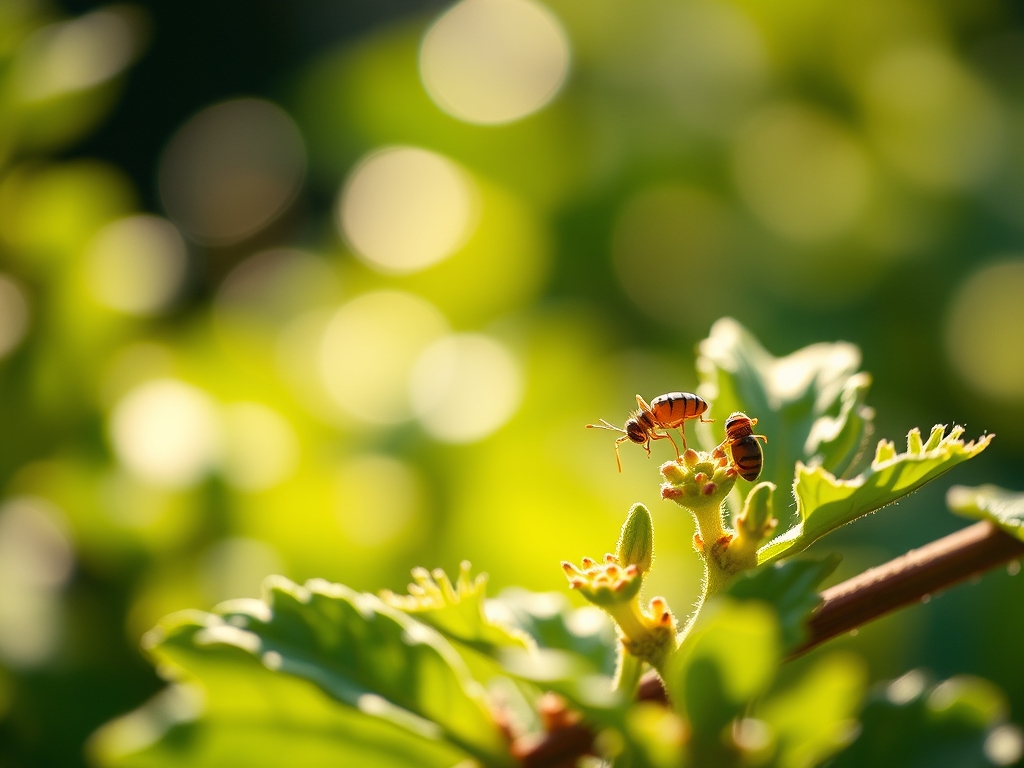
The smell of damp earth and the high turgor pressure of a healthy leaf signify a plant in peak physiological condition. When soft bodied insects like Aphididae colonize the underside of foliage, they pierce the phloem to suck out sap, reducing the plant's hydraulic integrity. Implementing specific steps for treating aphids with water restores this balance by physically dislodging the pests and cleaning the leaf surface. This mechanical intervention prevents the accumulation of honeydew and the subsequent growth of sooty mold.
Effective pest management begins with understanding the cellular resilience of the host plant. A plant with optimal nutrient uptake can withstand minor herbivory, but a heavy infestation requires immediate action to prevent viral transmission. By using a pressurized stream of water combined with a mild surfactant, you disrupt the aphid's life cycle without introducing persistent synthetic chemicals into the rhizosphere. This method preserves the population of beneficial insects like lacewings and lady beetles while providing immediate relief to the affected vegetation.
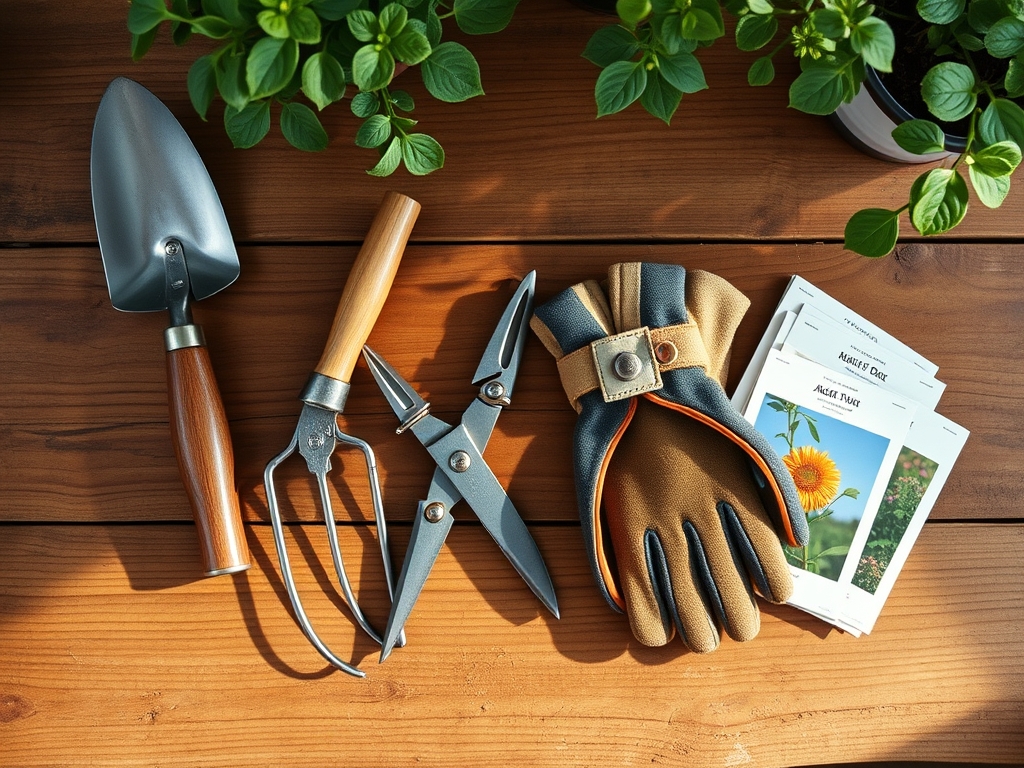
Materials:
The success of any horticultural intervention depends on the underlying health of the soil. To ensure your plants recover from aphid damage, maintain a friable loam with a Soil Cation Exchange Capacity (CEC) of 15 to 25 milliequivalents per 100g. The substrate should ideally have a pH between 6.2 and 6.8 to maximize the bioavailability of essential macronutrients.
For plants recovering from sap loss, provide a balanced NPK ratio of 10-10-10 for general maintenance, or a 5-10-10 ratio if the plant is entering a reproductive phase. Nitrogen is critical for rebuilding chlorophyll levels, while phosphorus supports root development and potassium regulates stomatal conductance. You will also need a high quality garden hose with a multi pattern nozzle capable of producing a "flat" or "jet" stream. Use a pure castile soap, which is free of synthetic degreasers and perfumes that can strip the protective waxy cuticle from the leaves.
Timing:
Timing is dictated by the hardiness zone and the specific biological clock of the plant. In Hardiness Zones 5 through 8, aphid populations typically surge when temperatures stabilize between 65 and 80 degrees Fahrenheit. This often coincides with the transition from the vegetative stage to the reproductive stage, as the plant directs sugars toward new terminal buds and flowers.
Perform the water stream treatment in the early morning, specifically between 6:00 AM and 9:00 AM. This allows the foliage to dry completely before the sun reaches its peak intensity, preventing solar radiation from scorching wet leaves. Do not apply water treatments if a frost is expected within 48 hours, as excess moisture on the leaf surface can promote ice crystal formation and cellular rupture. Monitor your local frost date windows closely to ensure the plant has sufficient time to recover its turgor before nocturnal temperature drops.
Phases:
Sowing and Site Preparation
Before seeds are even placed in the ground, ensure the area is free of debris that could harbor overwintering aphid eggs. Space plants according to their mature width to ensure adequate airflow, which reduces the humidity levels that aphids prefer.
Pro-Tip: Proper spacing prevents "shingling" of leaves, which reduces the boundary layer resistance. This allows for better penetration of water streams during treatment and ensures that the plant's phototropic response is not hindered by overcrowding.
Transplanting and Initial Monitoring
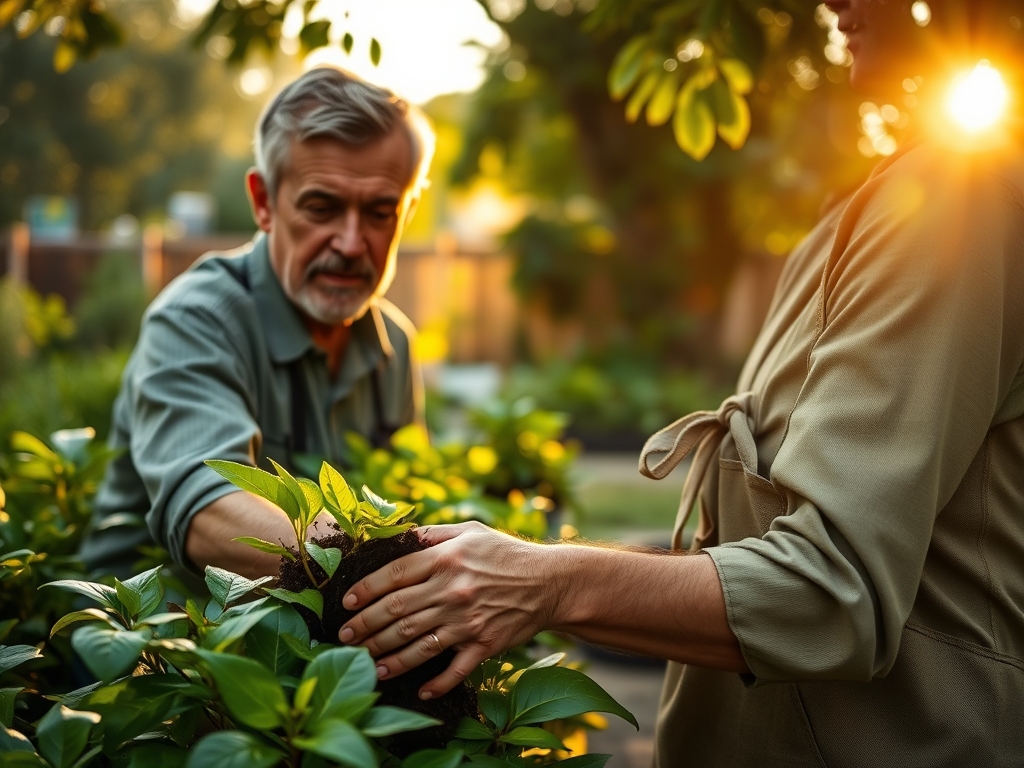
When moving seedlings into the field, check the root ball for health. A healthy root system should be white and fibrous, not brown or slimy. Use a hori-hori knife to loosen the soil and ensure the roots have immediate access to the rhizosphere's microbial network.
Pro-Tip: Apply a mycorrhizal inoculant during transplanting to establish a mycorrhizal symbiosis. This fungal network extends the reach of the root system, increasing the plant's intake of water and phosphorus, which bolsters its natural defense mechanisms against sap sucking insects.
Establishing the Water Treatment Protocol
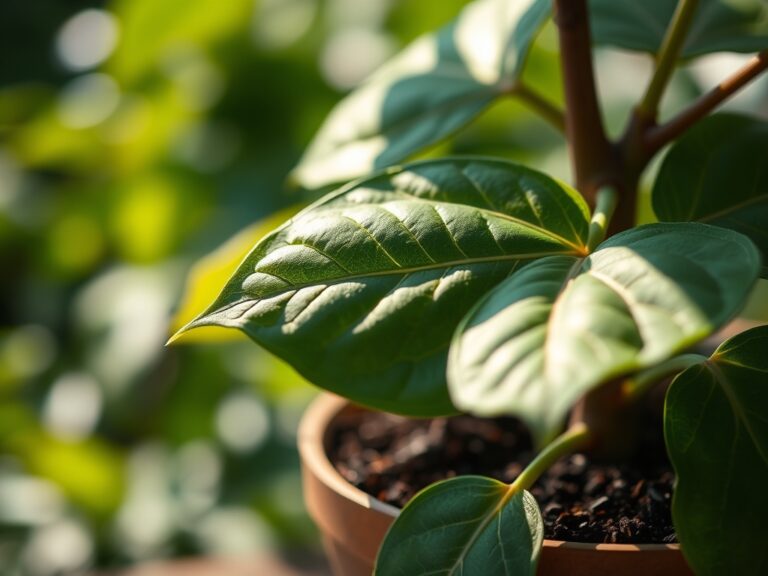
Once an infestation is identified, initiate the water stream protocol. Support the stem with one hand and direct a sharp stream of water at the undersides of the leaves. Work from the bottom of the plant upward to ensure pests are washed onto the ground rather than onto lower foliage. Follow this with a spray of soap solution (1 tablespoon per gallon of water) to kill any remaining nymphs.
Pro-Tip: Directing water at the underside of the leaf targets the area with the highest density of stomata. This physical agitation can stimulate thigmomorphogenesis, a process where plants grow shorter and sturdier in response to mechanical stress, making them more resilient to future environmental pressures.
The Clinic:
Diagnosing physiological issues alongside pest pressure is vital for plant recovery.
- Symptom: Yellowing of older leaves while veins remain green.
- Solution: This indicates Magnesium deficiency. Apply Epsom salts (magnesium sulfate) at a rate of 1 tablespoon per gallon of water as a soil drench.
- Symptom: Distorted, curled new growth with sticky residue.
- Solution: This is the primary sign of an aphid infestation. Use the pressurized water stream method every 3 days for two weeks to break the reproductive cycle.
- Symptom: Pale green or yellow foliage across the entire plant (Chlorosis).
- Solution: This is a Nitrogen deficiency. Amend the soil with a high nitrogen fertilizer or organic blood meal to restore chlorophyll production.
- Symptom: Dark, necrotic spots on lower leaves.
- Solution: This may be a fungal pathogen. Improve airflow and ensure you are only watering at the drip line, never over the foliage during evening hours.
Maintenance:
Precision in maintenance prevents the return of pests. Provide exactly 1.5 inches of water per week delivered at the drip line to ensure deep root penetration. Use a soil moisture meter to verify that the top 2 inches of soil have dried before re-watering, as waterlogged soil leads to root senescence.
Regularly inspect the plant with a 10x hand lens to spot early aphid arrivals. Use bypass pruners to remove any heavily infested terminal shoots that cannot be salvaged; this prevents the colony from spreading to the rest of the canopy. Keep your tools sterilized with a 70% isopropyl alcohol solution to prevent the mechanical transmission of pathogens between plants.
The Yield:
For edible crops, harvest when the plant reaches its peak secondary metabolite concentration. For leafy greens, this is often before the photoperiod triggers bolting. Use a sharp knife to make clean cuts, reducing the surface area for potential infection.
Post harvest, submerge produce in cold water (40 degrees Fahrenheit) to remove field heat and maintain cell turgor. This process, known as hydrocooling, extends the shelf life and ensures the "day-one" freshness of the harvest. For flowers, cut stems at a 45 degree angle underwater to prevent air embolisms in the xylem, allowing for maximum water uptake in the vase.
FAQ:
How often should I use water to treat aphids?
Repeat the pressurized water stream every 2 to 3 days. This frequency is necessary to disrupt the aphid's rapid reproductive cycle, as nymphs can reach maturity and begin producing offspring within a week.
Will soap and water harm my beneficial insects?
Direct contact with soap can kill beneficials like ladybugs. Apply the treatment early in the morning when beneficial insects are less active. Once the soap dries, it no longer poses a significant threat to crawling predators.
Can I use dish soap for aphid control?
Avoid most commercial dish soaps because they contain degreasers and antimicrobial agents that damage the plant cuticle. Use only pure castile soap or specifically formulated insecticidal soaps to ensure the safety of the foliage.
What water pressure is safe for my plants?
Use enough pressure to dislodge the insects but not enough to tear the leaf tissue. A "flat" spray pattern is usually sufficient. If the leaves are flapping violently or tearing, decrease the pressure immediately.